What We're Thinking About

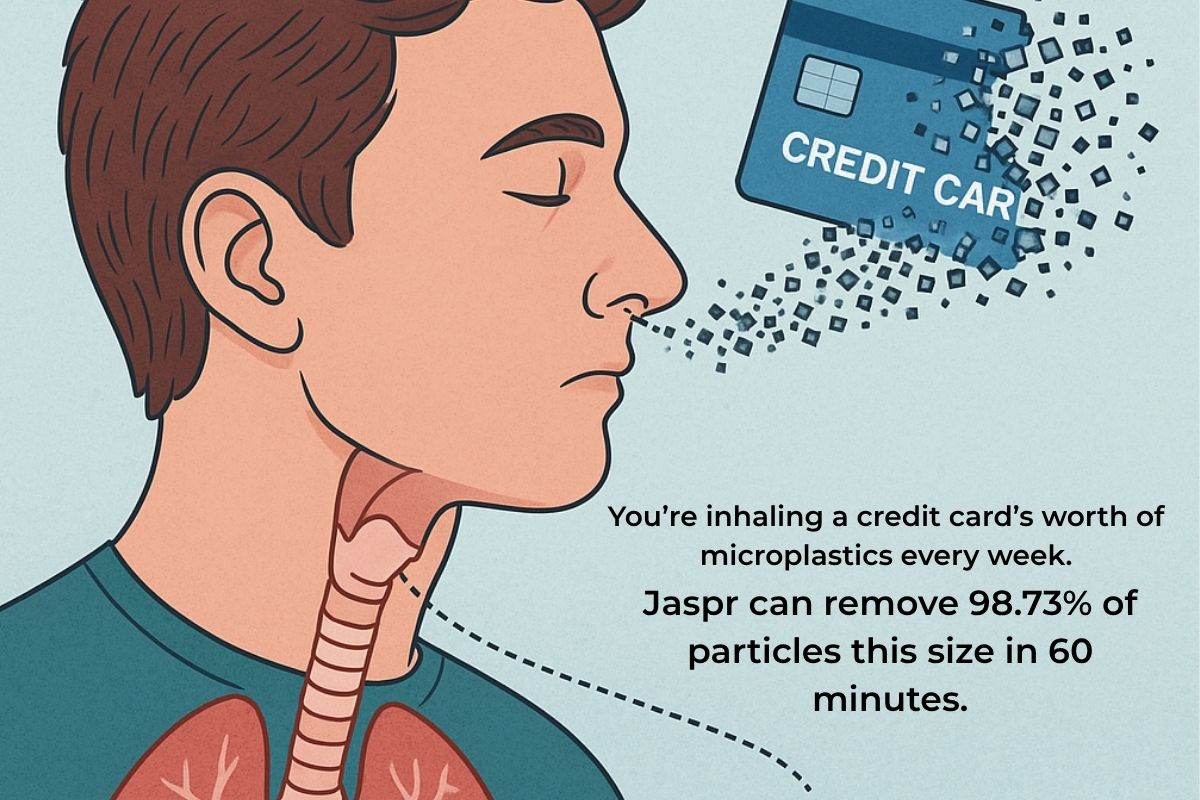
🧫 You’re Breathing Microplastics — Here’s What You Can Do About It
Microplastics aren’t just in oceans—they’re in the air you breathe. This article explains how they get into your home, the hidden health risks, and how Jaspr’s independently tested air scrubber removes 98.73% of microplastic-sized particles.
Read more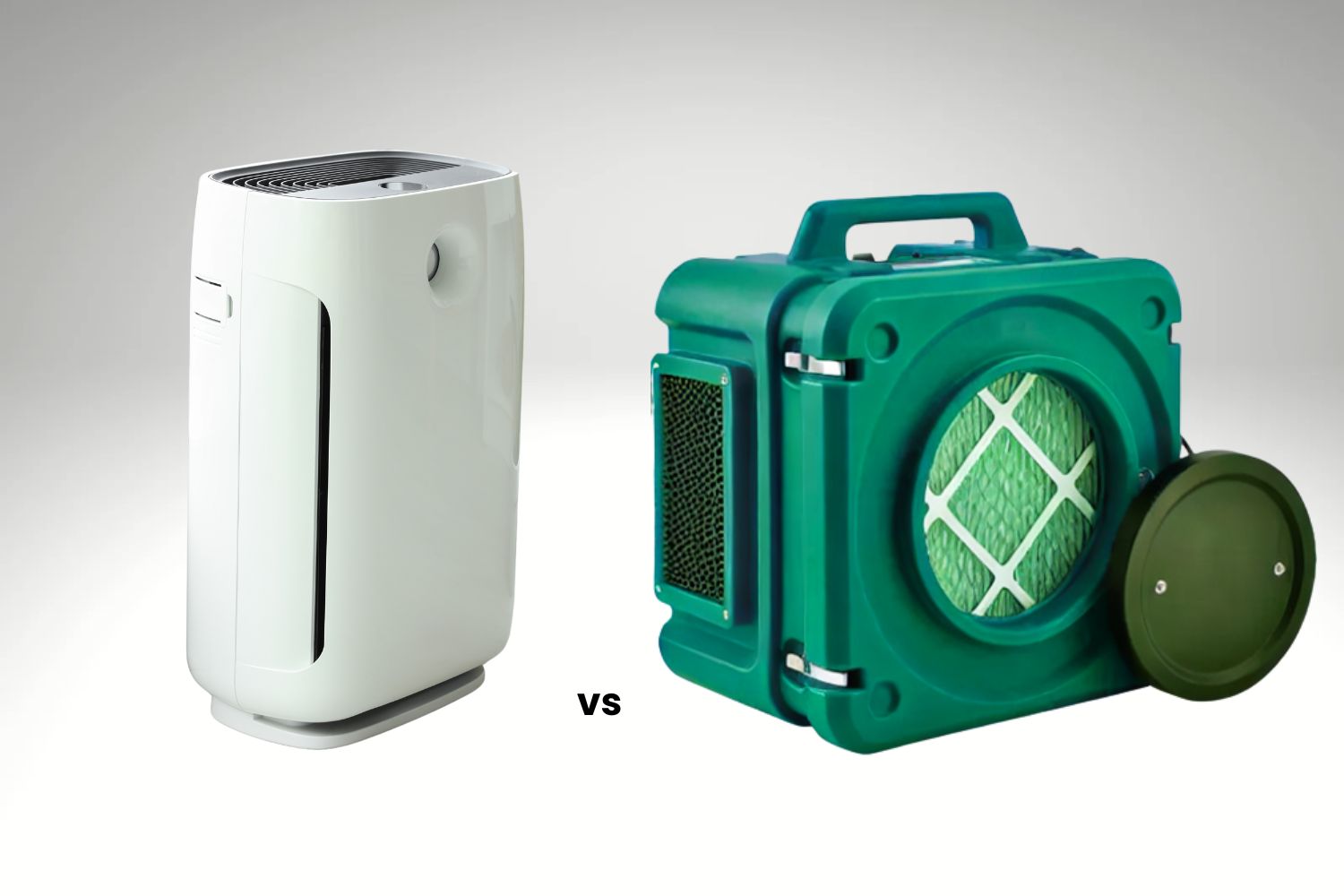
Air Scrubber vs. Air Purifier: Understanding the Difference and Why It Matters for Your Home
Discover the difference between air purifiers and air scrubbers. Learn why Jaspr is the only true commercial-grade air scrubber designed for residential use.
Read more
Cedar Fever in Austin: What It Is, Why It’s Brutal, and How to Protect Your Home
If you’ve lived in Austin for more than a minute, you’ve probably heard someone complain about “cedar fever.” Maybe you’ve even experienced it firsthand—waking up in the middle of winter with itchy eyes, a runny nose, and a sore throat that feels suspiciously like the start of a cold. But it’s not a cold. It’s cedar fever, and in Central Texas, it hits harder than almost anywhere else in the country. As a local Austin company dedicated to helping people breathe better indoors, we at Jaspr know just how miserable cedar fever can be. In this post, we’ll break down everything you need to know about this seasonal allergy nightmare—and how to take real steps toward relief, especially at home. What Is Cedar Fever? Cedar fever isn’t a virus, and despite the name, it doesn’t usually involve a fever. It’s actually a seasonal allergic reaction to pollen released by Ashe juniper trees , which are commonly (but inaccurately) referred to as “mountain cedars.” These trees are native to Central Texas and release a massive amount of pollen into the air every winter. In fact, each tree can release millions of pollen grains per day during peak season, which is why the sky sometimes looks smoky or yellow—those aren’t clouds, they’re literal waves of pollen. When Is Cedar Fever Season in Austin? Cedar season typically runs from mid-December through early March , with peak pollen levels in January . The worst days usually come right after a cold front, when dry, windy air causes the trees to burst open and release their pollen all at once. Pollen counts during this season are some of the highest in the entire country , which is why even people who don’t usually suffer from seasonal allergies often feel the effects while living in Austin. Symptoms of Cedar Fever Cedar fever symptoms often mimic the flu or a cold, leading many people to misdiagnose what’s really going on—especially during the pandemic years when anything with a sore throat sent us into high alert. Here’s what you might experience: Sneezing fits Runny or congested nose Itchy, watery, or burning eyes Post-nasal drip Coughing Sore throat (often from sinus drainage) Fatigue or low energy Mild headache or sinus pressure Occasional low-grade fever (rare, but possible) One of the most frustrating aspects of cedar fever is how it disrupts sleep and daily comfort. You might feel fine in the morning, but by the afternoon, your symptoms flare up. Or you might toss and turn at night due to congestion, only to wake up feeling even worse. Why Cedar Fever Is So Bad in Austin 1. The Trees Themselves Ashe juniper (aka mountain cedar) trees are extremely common in the Texas Hill Country and surrounding regions. These trees thrive in dry, rocky soil, and they cover thousands of acres across Central Texas. They're here to stay—and they shed pollen like it's their job. 2. The Weather Austin’s dry, windy winters make it easy for pollen to travel. Cold fronts, in particular, act like pollen-launchers—cracking open the trees and sending clouds of pollen flying through the air. If you’ve ever walked outside and seen what looks like yellow smoke coming from the trees, you’ve witnessed a pollen release in action. 3. The Terrain Austin’s geography, with its rolling hills and deep valleys, allows pollen to settle and linger in the air. It gets trapped in the atmosphere and around your home, making it hard to escape—even when you're indoors. How Cedar Pollen Gets Inside Your Home Even if you keep your windows closed and stay indoors during peak pollen days, cedar pollen can still make its way inside: On your clothes and hair: After spending time outside, pollen clings to your clothing and gets tracked inside. Through open doors and windows: Even brief ventilation can invite pollen in, especially if it’s windy. On pets: Dogs and cats that go outdoors often bring pollen back in on their fur. Through HVAC systems: Without high-efficiency filters, many HVAC systems circulate outdoor air containing allergens. Once inside, cedar pollen doesn’t just go away. It settles into carpets, furniture, bedding, and surfaces—contributing to ongoing symptoms even after outdoor counts drop. How to Protect Yourself From Cedar Fever Fighting back against cedar fever takes a combination of prevention, indoor air protection, and symptom management . ✅ Check the Pollen Forecast Sites like Pollen.com or local allergy trackers like KVUE or KXAN will tell you when pollen counts are highest. Plan your outdoor time accordingly and avoid strenuous activity on peak days. ✅ Keep Doors and Windows Closed It might be tempting to enjoy the cool winter air, but doing so can invite pollen in. Keep your home sealed as much as possible during cedar season. ✅ Change Clothes and Shower After spending time outside, remove your clothes and shower to remove pollen from your body and hair. This reduces the spread of allergens inside your home. ✅ Clean Your Home Often Dust, vacuum with a HEPA filter, and wash bedding frequently to minimize pollen buildup indoors. ✅ Use a High-Performance Air Purifier This is where Jaspr makes a difference. Why Austinites Choose Jaspr for Cedar Season Jaspr is a local Austin business, by people who know how rough cedar season gets. Our high-performance air purifier is designed to remove 99.97% of airborne particles, including the microscopic cedar pollen that triggers allergy symptoms. Here’s why Jaspr is different: Real-time air quality monitoring that automatically adjusts when pollen levels spike Whisper-quiet performance, even while you sleep Cleans 1,500 sq ft in under 30 minutes No app required—just plug in and breathe easy Commercial-grade filtration in a sleek, home-friendly design Final Thoughts Cedar fever might be part of the Austin experience—but suffering through it doesn’t have to be. With a few smart steps and the right protection, you can take back your air and feel like yourself again. Breathe easy this season—with help from your local Austin air experts. 👉 Shop the Jaspr Air Purifier
Read more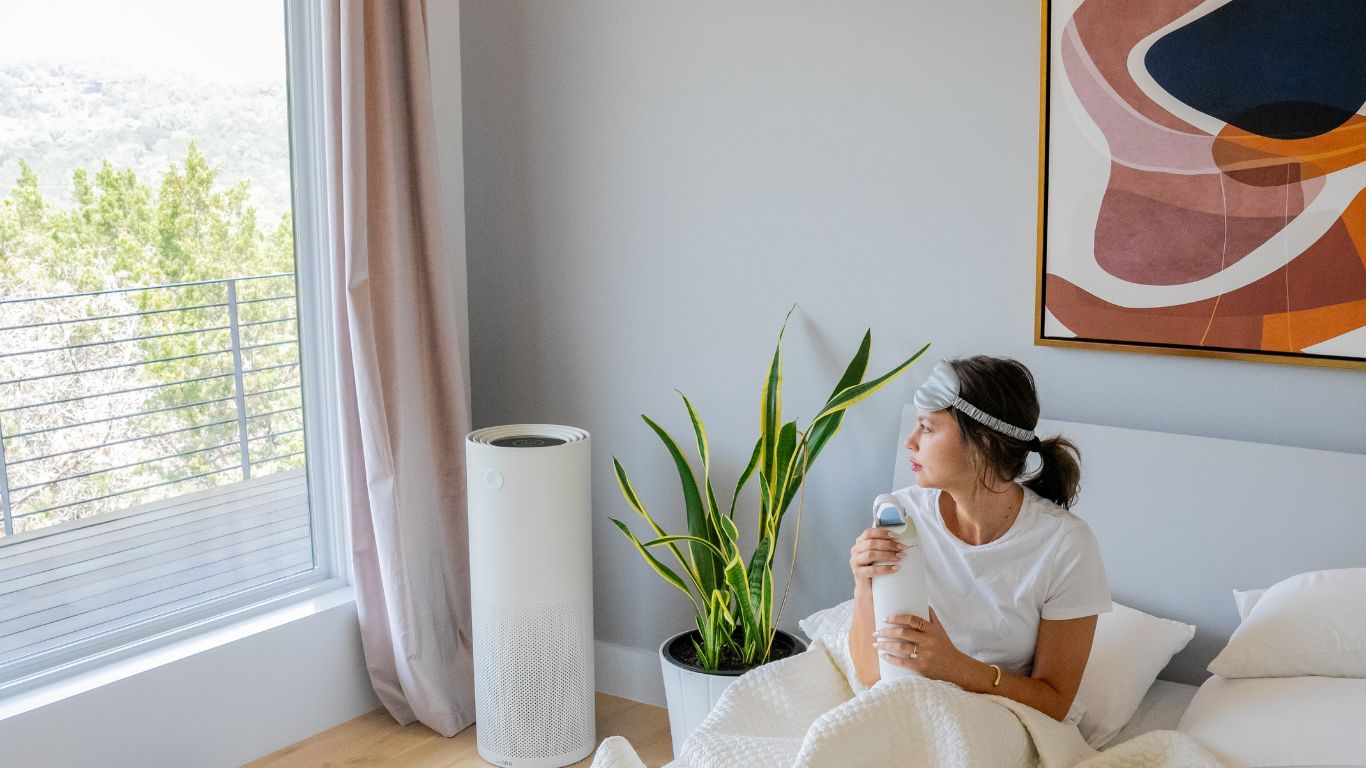
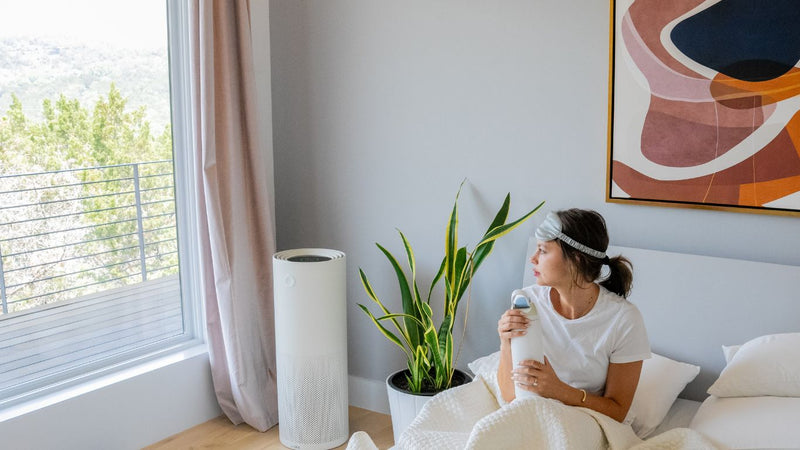
The Benefits of Having an Air Purifier in Your Bedroom
The Benefits of Having an Air Purifier in Your Bedroom The bedroom is where we spend a third of our lives, making it essential for rest and rejuvenation. However, airborne particles like dust, allergens, and pollutants can disrupt sleep and impact health. Adding an air purifier to your bedroom can create a cleaner, more comfortable space, enhancing sleep quality and overall wellness. Here are the top benefits of having an air purifier in your bedroom. 1. Improved Sleep Quality Clean, fresh air has been shown to improve sleep. Pollutants like dust mites, pet dander, pollen, and mold spores can trigger allergies, cause nasal congestion, and disrupt breathing during sleep. An air purifier filters out these allergens, reducing night-time congestion and allowing for deeper, uninterrupted sleep. Key Benefit: Many users report fewer disturbances and more restful sleep when they add an air purifier to their bedroom. 2. Reduced Allergies and Asthma Symptoms Allergens can trigger symptoms like sneezing, coughing, and itchy eyes, making it harder to fall and stay asleep. For those with asthma, airborne particles can lead to night-time wheezing and breathlessness. High-efficiency air purifiers with HEPA filters can trap up to 99.97% of allergens and irritants, helping to minimize asthma symptoms and provide relief for allergy sufferers. Key Benefit: Cleaner air can lessen the frequency and severity of allergy and asthma symptoms, particularly during peak allergy seasons. 3. Less Dust and Easier Cleaning Dust accumulates quickly, especially in the bedroom. It settles on surfaces, irritates the respiratory system, and can lead to a constant need for cleaning. An air purifier can reduce airborne dust particles, leading to a noticeable decrease in dust buildup. Key Benefit: Enjoy a cleaner bedroom environment with less time spent dusting and a lower chance of respiratory irritation from dust particles. 4. Reduced Exposure to VOCs and Indoor Pollutants Bedrooms often contain sources of volatile organic compounds (VOCs), such as mattresses, furniture, and carpeting, which can emit low levels of chemicals over time. Air purifiers with activated carbon filters are effective at capturing VOCs and other indoor pollutants, helping to maintain a safer, toxin-free bedroom environment. Key Benefit: Cleaner air, free from chemical pollutants, supports long-term health and reduces the risk of respiratory discomfort from VOCs. 5. Elimination of Odors and Fresh, Inviting Air Odors from pets, cooking, and household products can linger in bedrooms, affecting comfort. An air purifier helps remove odors, leaving the air feeling fresher. This is especially useful for pet owners or those sensitive to smells, as it creates a more pleasant and relaxing bedroom environment. Key Benefit: By neutralizing odors, air purifiers create a fresh, welcoming space that enhances relaxation and comfort. 6. Increased Comfort for Pets and Their Owners If you share your bedroom with pets, an air purifier can be a game-changer. Pets shed dander, hair, and other particles that can irritate allergies and asthma. Air purifiers help capture pet-related allergens, keeping the air cleaner and ensuring a more comfortable sleeping environment for both you and your furry friends. Key Benefit: Enjoy pet companionship without the constant irritation of pet dander and allergens in the air. 7. Better Protection During Flu and Allergy Seasons During flu season, air purifiers can capture viruses and bacteria in the air, reducing the chance of airborne illness spread. For allergy sufferers, an air purifier can help remove pollen and other seasonal allergens, creating a sanctuary for relief from outdoor irritants. Key Benefit: Air purifiers provide year-round support, but they’re especially beneficial during high-risk seasons like flu and allergy times. Key Takeaways Placing an air purifier in your bedroom offers multiple benefits, including: • Better sleep quality and reduced allergies • Less dust and cleaner surfaces • Fewer odors and fresher air • Pet-friendly air quality • Added protection during flu and allergy seasons At Jaspr, we specialize in high-quality air purifiers designed to enhance indoor air in every room. Explore our selection to find the perfect model for your bedroom and start enjoying cleaner, healthier air tonight.
Read more
Do Air Purifiers Dry the Air and Help with Humidity?
Air purifiers are designed to improve indoor air quality by capturing airborne particles like dust, allergens, mold spores, and even odors. But many wonder if air purifiers also impact humidity levels—specifically, if they dry out the air or can help reduce excess humidity.
Read more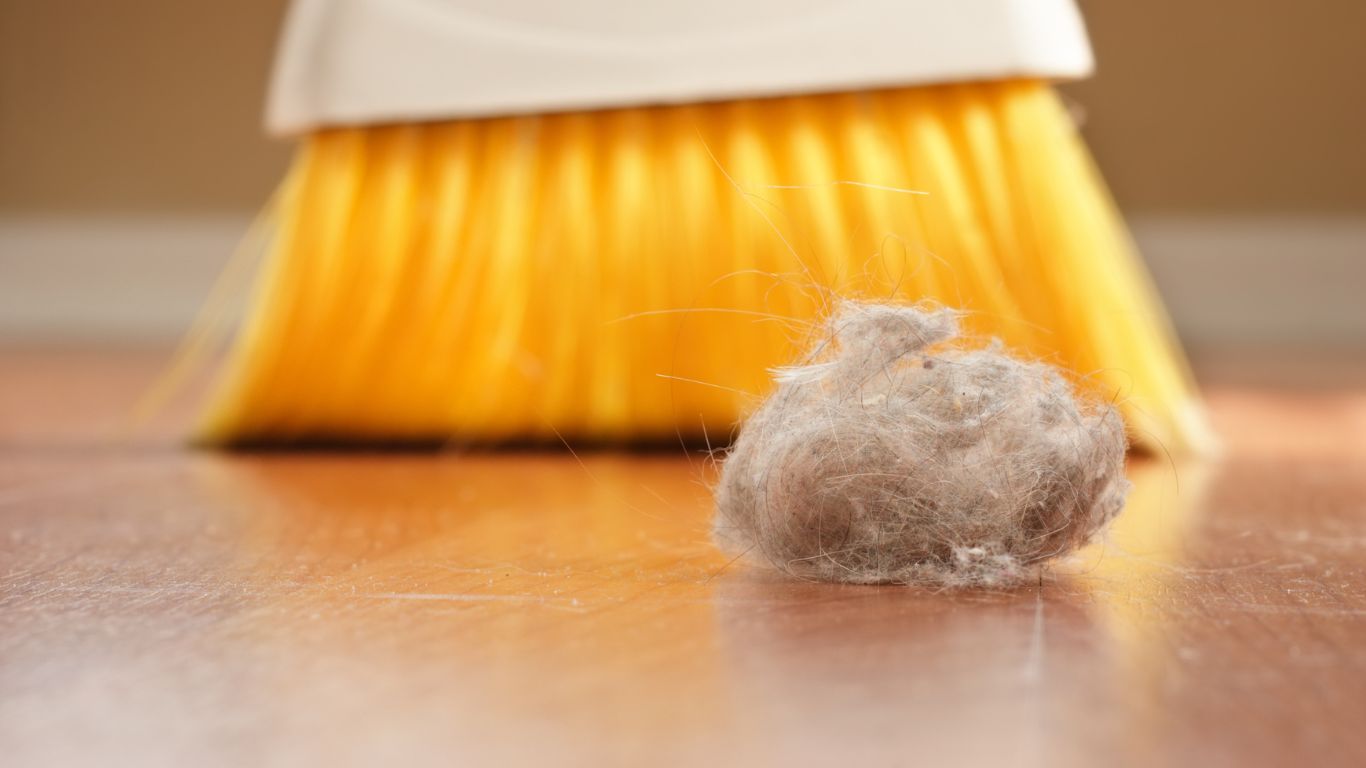
Does Dust in My Home Mean I Have Bad Indoor Air Quality?
If you’ve ever noticed a layer of dust settling on your furniture, you might have wondered: does this mean I have poor indoor air quality? While dust is a common household nuisance, it can be more than just an aesthetic issue. It may be a sign of underlying air quality problems that could impact your health.
Read more
Do I Need a Dehumidifier in My Basement? The Must-Know Reasons
Have you ever noticed a musty smell, damp walls, or even water stains in your basement? If so, you might be wondering whether you need a dehumidifier running full-time or just when problems appear. Let’s get straight to the point—yes, you need a dehumidifier in your basement permanently!
Read more
Will a Dehumidifier Help with Mold? Here’s What You Need to Know
When dealing with mold problems, you’ve likely heard that using a dehumidifier is one of the solutions. But do they really have what it takes to combat mold effectively? While dehumidifiers play an important role in preventing future mold issues by controlling moisture, they won’t eliminate existing mold or stop mold growth caused by leaks, such as roof or plumbing issues. Dehumidifiers are effective at preventing mold growth because: • They remove the primary source of mold: moisture. • They help maintain healthy humidity levels in your home. However, to fully tackle mold, you need more than just a dehumidifier. Air purifiers are essential for eliminating mold spores from the air. Let’s dive into how moisture and mold are connected, how dehumidifiers work, and why pairing them with an air purifier like Jaspr offers the most complete solution. Feature Dehumidifier Air Purifier (like Jaspr) Primary Function Reduces humidity by removing moisture Removes airborne particles (mold spores, dust, allergens) Helps Prevent Future Mold Growth? Yes, by controlling moisture levels Yes, by removing mold spores from the air Eliminates Existing Mold Spores? No Yes, captures mold spores with HEPA filters Improves Air Quality? No, focuses on humidity control Yes, improves air quality by filtering harmful particles Targets Musty Odors? No, but reduces humidity, which can help Yes, activated carbon filters remove musty odors Ideal Usage Preventing mold by reducing moisture levels Capturing and eliminating airborne mold spores and odors Connection Between Moisture and Mold Mold requires water to survive. Common sources of moisture in your home may include: • Leaky pipes • Foundation seepage • Damp areas around sinks, bathrooms, and kitchens Mold is incredibly resourceful and can thrive in high-humidity environments even without these obvious water sources. This is why managing indoor humidity levels is essential for preventing mold growth. How Dehumidifiers Help Fight Mold Dehumidifiers are a valuable tool in fighting mold because they remove excess moisture from the air, creating an environment where mold can’t thrive. While dehumidifiers won’t kill or remove mold spores already present, they do an excellent job at controlling humidity, which is critical for preventing future mold growth. How Dehumidifiers Control Humidity Levels Here’s how dehumidifiers operate to control moisture: 1. Condense Moisture from the Air: Dehumidifiers cool the air to a point where moisture condenses into water, reducing overall humidity levels. 2. Remove Condensed Moisture: The moisture is collected in a tank or drained automatically, leaving the air drier. 3. Reheat the Air: After the moisture is removed, the dehumidifier reheats the air before releasing it back into the room, ensuring the air is dry and at a comfortable temperature. A key component of most dehumidifiers is the dehumidistat, which detects moisture levels in the air. The dehumidistat activates the dehumidifier when humidity rises above the desired level, typically between 45% and 55%. This optimizes energy use by ensuring the dehumidifier runs only when necessary. The Goal of a Dehumidifier The goal of using a dehumidifier is to maintain a relative humidity level between 45% and 55%. At this level, mold, dust mites, and other allergens struggle to survive. By continuously adjusting the humidity, a dehumidifier creates an environment where mold cannot grow. However, you should avoid overusing a dehumidifier. Extremely dry air can lead to health issues like irritated sinuses and respiratory discomfort. Maintaining balanced humidity is key for both comfort and health. How to Know if Your Dehumidifier is Working Once your dehumidifier is installed, it’s important to ensure it’s working effectively to combat mold growth. Here are some signs that your dehumidifier is doing its job: • Reduced Condensation: If you notice less condensation on windows and other cool surfaces, it’s a good indication the dehumidifier is functioning properly. • Using a Hygrometer: A hygrometer allows you to monitor the humidity levels in your home accurately. Aim to keep indoor humidity between 45% and 55%. Effectiveness of Dehumidifiers in Combating Mold Dehumidifiers are highly effective at reducing moisture in the air, significantly lowering the risk of future mold growth. By consistently maintaining the right humidity levels, you can prevent mold from thriving and avoid related health risks like respiratory issues and allergy triggers. However, dehumidifiers do not kill or remove existing mold spores. Mold spores can remain dormant in the environment and become active when conditions are favorable again. This is why dehumidifiers should be used in combination with proper cleaning measures and air purifiers to fully address mold problems. Why You Need an Air Purifier Along with a Dehumidifier While dehumidifiers help prevent future mold growth, they do not remove mold spores already present in the air. This is where an air purifier like Jaspr comes into play. Equipped with HEPA filters and activated carbon filters, Jaspr effectively captures and removes mold spores and other airborne threats. Jaspr’s Role in Eliminating Mold Spores • Activated Carbon Filters: Jaspr’s carbon filters trap airborne particles, including those causing musty odors, ensuring cleaner, fresher air. • Advanced Sensors: Jaspr’s sensors continuously monitor air quality, allowing the purifier to adapt its performance in real time, tackling mold spores and dust mites before they become a problem. • HEPA Filtration: Jaspr’s HEPA filters capture tiny mold spores that are invisible to the eye but can still cause health issues. By using both a dehumidifier to control moisture and an air purifier like Jaspr to remove mold spores, you create a comprehensive defense against mold in your home. Other Ways to Prevent Mold In addition to using a dehumidifier and an air purifier, there are other steps you can take to prevent mold: • Fix leaks immediately: Address any plumbing or roof leaks as soon as they appear to prevent moisture buildup. • Improve ventilation: Make sure your home is well-ventilated, especially in high-moisture areas like bathrooms and kitchens. • Regular cleaning: Clean areas prone to moisture buildup, such as around sinks and windows, to prevent mold from gaining a foothold. Final Thoughts Dehumidifiers are essential for managing indoor humidity levels and preventing future mold growth. However, they don’t eliminate mold spores already in the air. For complete protection, combine a dehumidifier with an air purifier like Jaspr. Jaspr’s advanced filtration system removes mold spores and musty odors, ensuring a cleaner, healthier home environment. By taking these steps, you’ll protect your home from mold while improving the overall air quality for you and your family. FAQs Will a dehumidifier kill mold? No, a dehumidifier helps prevent mold by controlling humidity levels, but it won’t kill or remove mold spores already present. For that, you’ll need an air purifier like Jaspr, which captures mold spores with its HEPA and activated carbon filters. Can I use a dehumidifier and air purifier together? Yes, using a dehumidifier alongside an air purifier provides the best defense against mold. The dehumidifier reduces moisture, while the air purifier removes airborne mold spores. How often should I run my dehumidifier? It’s best to run your dehumidifier consistently, especially in humid environments like basements. Monitor the humidity levels with a hygrometer to ensure they stay between 45% and 55%. What’s the difference between a dehumidifier and an air purifier? A dehumidifier controls moisture by removing excess humidity from the air, which helps prevent mold growth. An air purifier, like Jaspr, cleans the air by removing mold spores, dust, and allergens, improving overall air quality.
Read more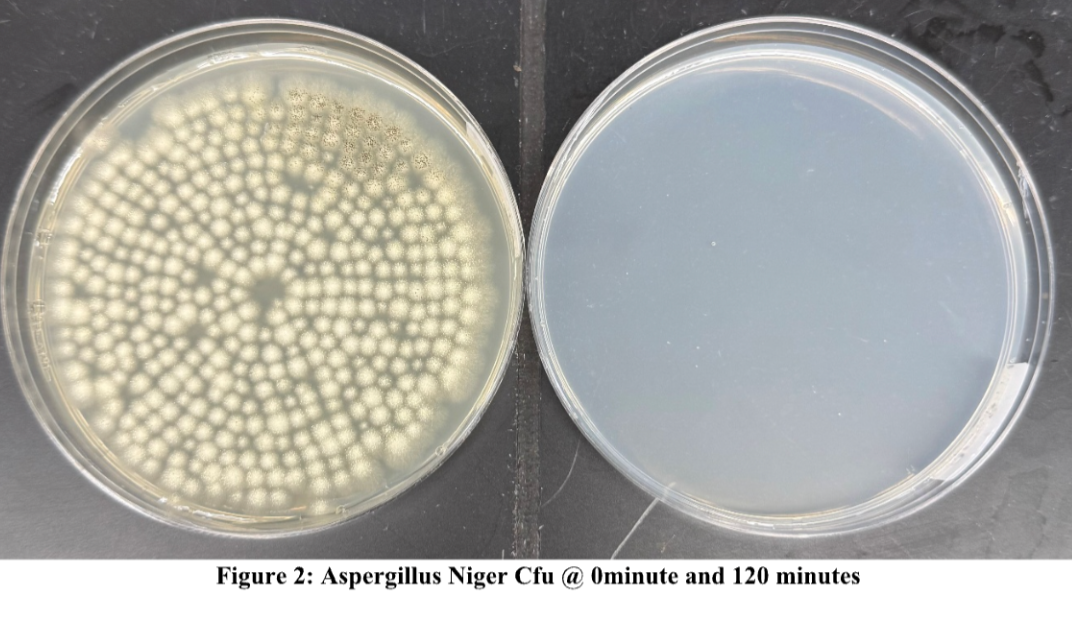
99.7% of Mold Gone in 90 Minutes With Jaspr
Jaspr is excellent at reducing airborne mold. It can even reduce it to ZERO! We worked with a third party lab to conduct a study to know EXACTLY how long it would take to get the mold spores from millions of particles to none.
Read more