What We're Thinking About

How Long Does It Take for an Air Purifier to Work
How Long Does It Take for an Air Purifier to Work? If you’ve just purchased an air purifier, you’re likely eager to know when you’ll start noticing the benefits of cleaner, fresher air. The time it takes for an air purifier to improve indoor air quality depends on several factors, including the room size, the type of air purifier, and the pollutants being targeted. Here, we’ll break down what affects an air purifier’s effectiveness and how long it might take to make a difference. 1. Factors that Influence How Quickly an Air Purifier Works 1. Room Size • Air purifiers are rated for different room sizes, and using one that’s designed for a larger room in a small space will yield faster results. For example, an air purifier designed for a 500-square-foot room will clean a 250-square-foot room quicker, often in less than an hour. 2. Clean Air Delivery Rate (CADR) • CADR measures the volume of air purified in cubic feet per minute (CFM). A higher CADR means quicker air purification. Most high-efficiency air purifiers begin showing improvements within 30 minutes to an hour, especially for common pollutants like dust and smoke. 3. Pollutants in Your Space • Different pollutants take different times to remove. Particulate matter like dust and pet dander can be filtered out fairly quickly. However, odors, volatile organic compounds (VOCs), and mold spores might take longer due to the need for specialized filters like activated carbon or HEPA. 4. Fan Speed and Mode • The speed setting directly impacts performance. Higher speeds mean faster air cycling, but for maximum efficiency and quieter operation, many purifiers have an “auto” mode that adjusts speed based on current air quality. 5. Placement of the Air Purifier • The position of your air purifier can influence its efficiency. Placing it centrally and away from obstructions allows it to pull and circulate air more freely, achieving better results in a shorter time. 2. How Quickly Will You Notice a Difference? In a well-placed air purifier with a HEPA filter, improvements in air quality can often be noticeable within 30 minutes to 2 hours. This varies based on the initial air quality and the settings used. You might sense less dust in the air or a reduction in allergy symptoms within the first few hours. For spaces with significant pollution sources, such as heavy smoke or strong odors, noticeable improvements may take longer—up to a day of continuous use. 3. Long-Term Benefits of Continuous Use For those with health sensitivities or concerns about allergens, pollutants, or mold, it’s important to run the air purifier continuously, especially in rooms where you spend most of your time. Continuous use helps to maintain lower pollutant levels and ensures that air quality remains consistently high. 4. Choosing the Right Air Purifier for Fast Results Investing in an air purifier with a high CADR rating, multiple layers of filtration, and ideally, a smart mode that monitors and adjusts to the air quality can ensure quick and long-lasting results. Our Jaspr air purifiers are designed to address various indoor pollutants efficiently, especially mold and allergens, making it easier to breathe clean air in less time. Key Takeaways • Air purifiers can start to show noticeable results in 30 minutes to 2 hours depending on various factors. • The size of the room, type of air purifier, and fan settings all influence the time required for optimal air quality. • For consistent air quality improvement, continuous use in high-traffic areas is recommended. Wondering how quickly our Jaspr air purifiers can make a difference? Explore our range of products designed for fast, effective air purification, so you can breathe easier sooner.
Read more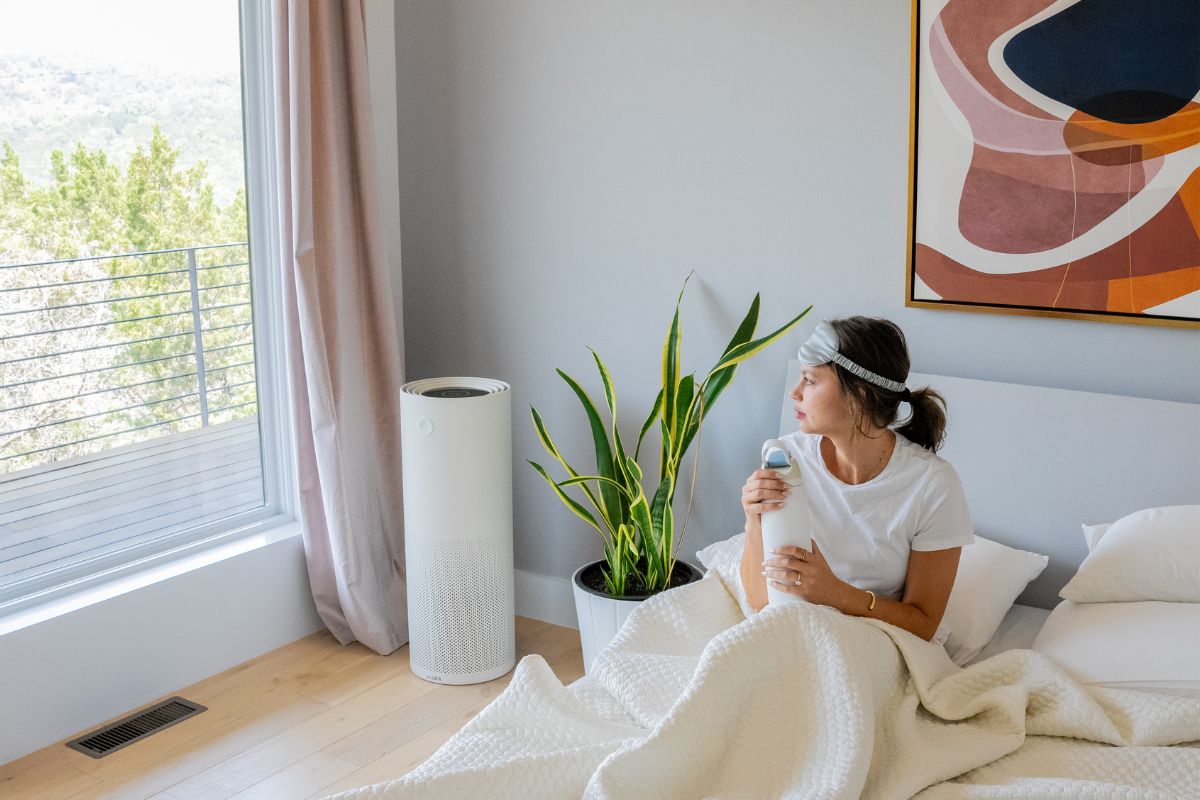
Where in my house should I put an air purifier?
Where should I put an air purifier in my home?
Read moreDoes Heat Kill Mold? Facts and Effective Methods
If you’re considering using heat to tackle mold in your home, it can be an effective solution under the right conditions. While heat can kill mold spores, it requires consistent, high temperatures for a sustained period. Simply turning up your thermostat won’t do the trick—heat must be applied thoroughly to eradicate mold. However, while heat may kill mold, it won’t remove dead mold spores or the mycotoxins they leave behind, both of which can still pose health risks. This is why it’s important to follow up heat treatment with proper air cleaning using a high-quality air purifier like Jaspr. In this blog, we’ll cover: • How heat kills mold • Whether high temperatures eliminate mold entirely • Challenges of using heat to kill mold • Why an air purifier is essential after heat treatment How Does Heat Kill Mold? Applying sufficient heat can effectively kill mold by drying out the atmosphere and creating conditions where mold can’t survive. Mold typically dies at temperatures between 140°F to 160°F (60°C to 70°C), but for heat treatment to be effective, the temperature must be maintained for a long enough period. For full effectiveness, areas affected by mold need to be thoroughly assessed to ensure heat is applied evenly across the entire space. This prolonged exposure prevents mold regrowth by completely killing off live mold. Does Heat Kill Mold on Household Objects? While heat can kill mold on household objects, it’s not always the best solution. Directly applying heat with blowers or heat guns can risk spreading mold spores to other areas of your home if not done carefully. To avoid spreading mold spores, proper containment should be used. However, containment barriers like plastic sheets can be tricky since some plastics release harmful chemicals when exposed to high heat. In many cases, alternative methods for mold removal, such as air purifiers, may be more effective. Does Heat Kill Mold on Food? We’ve all encountered the disappointment of discovering mold on food. While heat can kill mold on food, it doesn’t necessarily make the food safe to eat. Once mold has grown, it produces mycotoxins, which are harmful substances that remain even after the mold is killed. Key Points: • Heat Kills Mold but Not Toxins: Even though heat can kill mold, mycotoxins produced during the mold’s growth remain, making the food unsafe to eat. • Discard Moldy High-Risk Foods: Foods like cooked meats, soft cheeses, and fruits should be discarded if moldy. • Safe Consumption of Moldy Hard Foods: In certain hard foods like salami, hard cheese, and root vegetables, you can safely cut away at least an inch around the mold and consume the rest. Will High Temperatures Completely Eliminate Mold? Although high temperatures can kill mold, they do not remove it from surfaces. Even after heat treatment, dead mold spores remain on walls, ceilings, and other affected areas. These spores can still release into the air and cause health problems like respiratory issues or allergies. When mold is killed, it may release spores all at once, which is why heat treatment alone isn’t enough. Mold spores—whether from live or dead mold—are harmful and need to be addressed through air purification to ensure complete safety. Why an Air Purifier is Essential After Heat Treatment Once heat kills the mold, dead mold spores still remain in the air, which can pose health risks if not properly removed. This is where an air purifier like Jaspr becomes essential. Jaspr’s Role in Mold Removal: • Activated Carbon Filters: Jaspr’s filters trap airborne particles, including mold spores and the mycotoxins responsible for musty odors. • HEPA Filtration: Jaspr’s HEPA filter captures tiny mold spores that would otherwise remain suspended in the air. • Advanced Sensors: Jaspr’s real-time air quality sensors detect mold spores and other airborne threats, adjusting its performance to clean the air effectively. By using Jaspr after heat treatment, you eliminate airborne mold spores that pose health risks and prevent them from spreading further. Challenges of Using Heat to Kill Mold If you’re considering using heat to kill mold, be prepared for the following challenges: 1. Inconsistent Heat Distribution Achieving consistent heat distribution across all affected areas is difficult. If parts of the moldy area don’t receive enough heat, mold can survive and regrow. 2. Risk of Damage to Belongings Prolonged exposure to high heat can damage furniture, flooring, or other household items. Heat treatment needs to be applied carefully to avoid harming your belongings. 3. Mold Spores Remain in the Air Even if the mold is killed, spores can still remain airborne. Without proper ventilation or air purification, these spores can spread to other parts of the house, potentially causing new mold growth. Other Ways to Prevent Mold Growth While heat can kill mold, it’s essential to take preventive measures to avoid future mold growth. Here are a few ways to help keep mold at bay: • Ensure Proper Ventilation: Good airflow throughout your home can help prevent moisture buildup, which encourages mold growth. • Regularly Clean Moist Areas: Bathrooms and kitchens are especially prone to moisture, so regular cleaning and drying of these areas is crucial. • Use an Air Purifier: After heat treatment, using a high-quality air purifier like Jaspr will ensure any remaining spores are filtered out, reducing the risk of mold returning. Final Thoughts While heat can play a role in stopping mold growth, it’s not a complete solution. Dead mold spores and mycotoxins remain in the air, posing health risks even after heat treatment. To fully address the problem, it’s essential to use an air purifier like Jaspr to capture airborne mold spores and improve your home’s air quality. By combining heat treatment with Jaspr’s advanced filtration system, you can create a safer, mold-free environment in your home. FAQs Can heat kill mold completely? Yes, heat can kill mold spores, but it doesn’t remove them from surfaces or the air. After using heat, an air purifier like Jaspr is essential to capture and remove dead mold spores from your home. Is it safe to eat moldy food if I heat it? No, even if heat kills the mold on food, the mycotoxins produced by the mold remain, making the food unsafe to eat. Should I use an air purifier after heat treatment for mold? Absolutely! An air purifier like Jaspr, with its HEPA and activated carbon filters, will capture mold spores that remain in the air after heat treatment, ensuring cleaner, safer air.
Read more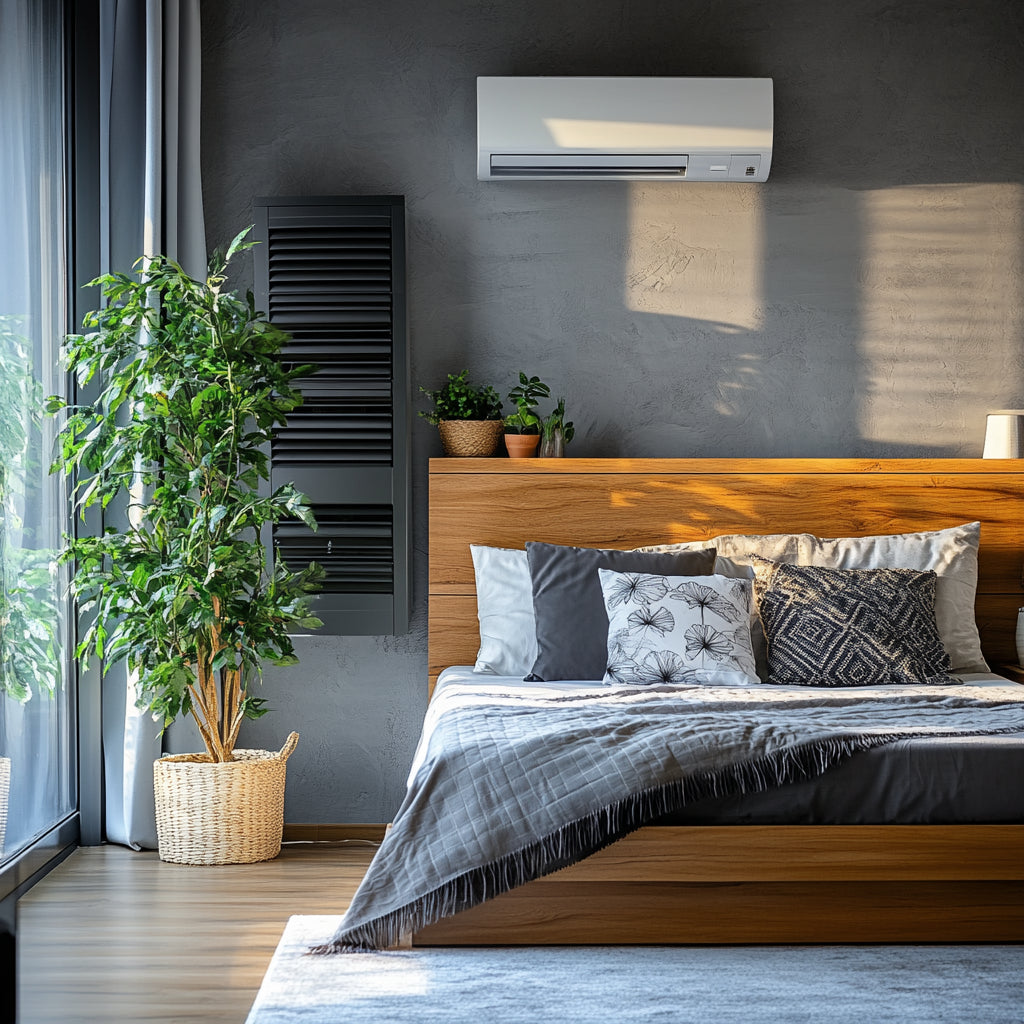
Mold in AC Unit: Causes, Signs, and Effective Solutions
Mold in AC Unit: How to Detect and Eliminate If you’ve noticed a musty smell in your home or discovered mold in your AC unit, it’s likely that mold spores are circulating through your air conditioning system. Mold in your AC is not just a surface issue—over time, it can lead to significant health risks, especially as your air conditioning continues to distribute mold spores into your living space. Addressing this problem is straightforward: you need to clean the source of the mold (the AC unit) and use a high-quality air purifier like Jaspr to remove lingering mold spores from the air, ensuring a healthier living environment. Why Does Mold Grow in AC Units? While AC units are mostly made of non-organic materials like plastic and metal, which don’t directly support mold growth, mold can still thrive inside the system. Here’s how: • Accumulated Dust and Debris: Over time, dirt and other particles build up inside your AC unit. This buildup provides organic material for mold to feed on. • Moisture: AC units produce condensation, creating the perfect breeding ground for mold. The combination of moisture and accumulated dust creates a suitable environment for mold to grow. When you turn on your AC, the mold spores spread along with the cool air, which not only creates an unpleasant, musty odor but can also lead to health issues, especially respiratory problems. Identifying Mold in Your AC Unit You can detect mold in your AC unit in two main ways: 1. Visible Mold You may notice mold growing inside or around your AC vents. This indicates that mold is feeding on dust and moisture within the system. 2. Musty Smell Even if mold isn’t visible, a persistent musty odor when the AC is running is a clear sign of mold growth inside the unit. This odor is produced by mold and spreads throughout your home when the AC circulates air. Health Risks of Mold Growth in AC Units When your AC circulates air, it also distributes mold spores throughout your home. Breathing in these spores can cause health issues, particularly affecting the respiratory system. Mold exposure can trigger symptoms ranging from mild irritations like coughing and sneezing to more severe conditions such as shortness of breath or lung infections. Prolonged exposure to mold can worsen these symptoms, especially for individuals with allergies, asthma, or weakened immune systems. The risks make it essential to address mold growth in your AC unit as soon as possible. How to Remove Mold from Your AC Unit If you suspect mold in your AC unit, take action quickly to prevent it from spreading throughout your home. Here are the steps you can take: 1. Clean the AC Unit The first step is to address the source of the mold—dirt and debris inside the unit. Regularly cleaning your AC unit, including coils and filters, helps eliminate the conditions that allow mold to thrive. This process involves removing visible mold from the surfaces of the unit. 2. Use an Air Purifier While cleaning removes surface mold, it doesn’t capture all the mold spores that may still be floating in the air. This is where a high-quality air purifier like Jaspr becomes crucial. Jaspr’s HEPA filters, which capture particles as small as 0.1 microns, effectively remove mold spores from the air. The advanced air purification system improves indoor air quality, ensuring a cleaner, healthier home environment. How to Prevent Future Mold Growth in AC Units To keep mold from returning to your AC unit, follow these preventive steps: 1. Regular Cleaning and Maintenance Regular cleaning is essential for preventing mold growth. Replace air filters every 1-3 months and have your AC unit professionally cleaned at least once a year. This ensures that dust, dirt, and moisture do not accumulate in the system. 2. Prevent Water Leaks Since mold thrives in moisture, check your HVAC system regularly for leaks. Condensation buildup inside the unit can lead to mold growth, so make sure any leaks are addressed promptly. 3. Ensure Proper Ventilation Good airflow is critical to preventing mold. Blocked vents trap moisture inside the AC unit, encouraging mold to grow. Ensure air is circulating properly throughout your home, and that vents are working efficiently. 4. Install an Air Purifier Adding an air purifier is one of the most effective ways to prevent future mold growth. A purifier equipped with a HEPA filter—like Jaspr—can trap tiny particles such as mold spores, keeping your air clean and reducing the risk of mold returning to your home. When to Call a Mold Remediation Company In some cases, mold growth may extend beyond what regular cleaning can handle, especially if it has infiltrated your HVAC system’s components. If you suspect mold has spread deeper into your system, contact a mold remediation company to professionally assess and remove the mold. Final Thoughts Mold in your AC unit may often go unnoticed, but its impact on your health and indoor air quality can be significant. To prevent mold from spreading throughout your home, take proactive measures like regularly cleaning your AC unit and using a high-quality air purifier like Jaspr. Jaspr’s advanced filtration system, including activated carbon and HEPA filters, will ensure that mold spores are captured from the air, drastically improving indoor air quality. By combining AC cleaning with air purification, you can protect your home and health from the harmful effects of mold. FAQs How do I know if my AC unit has mold? You’ll likely notice either visible mold inside or around your AC vents, or you’ll detect a persistent musty odor when the AC is running. Can I clean mold from my AC unit myself? You can clean surface mold, but lingering mold spores will still remain in the air. Using a high-quality air purifier like Jaspr will help remove these airborne spores and ensure your air is clean. How can I prevent mold from growing in my AC unit? Regular maintenance, cleaning, and ensuring proper ventilation can help prevent mold growth. Using an air purifier like Jaspr will also capture mold spores and reduce the risk of future growth. Is it safe to run my AC if there’s mold in it? Running your AC with mold in the system is not recommended, as it will spread mold spores throughout your home, potentially causing health problems. Address the issue by cleaning the unit and using an air purifier like Jaspr to remove mold spores from the air.
Read more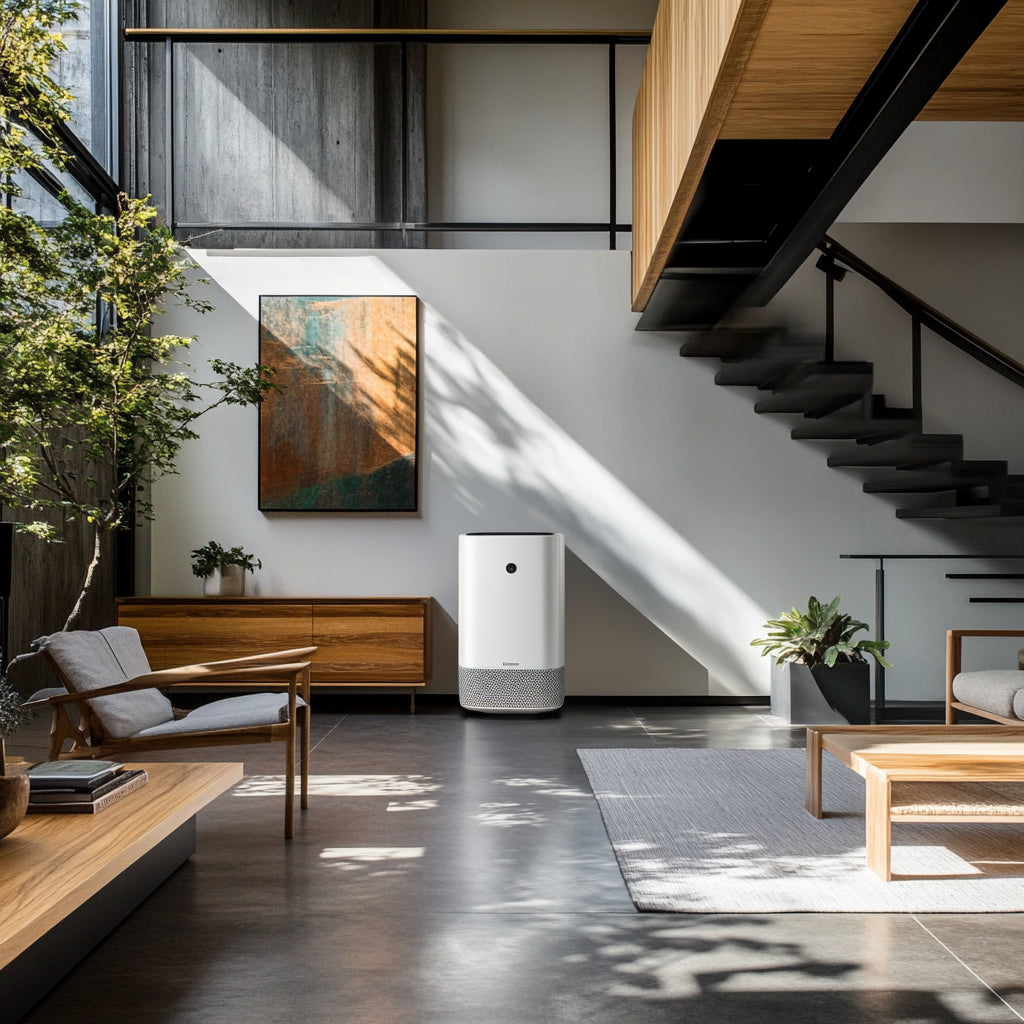
Does an Air Purifier Help with Smell?
Do Air Purifiers Help with Smells? Are you looking for ways to eliminate odors in your home, whether from last night’s dinner, pet smells, or musty air due to humidity? If you’re considering an air purifier, the short answer is yes—air purifiers can significantly reduce smells, especially if you invest in one with a carbon filter. It’s recommended not to rely on other methods like air fresheners, oils, or diffusers, as these only mask odors and may introduce more harmful chemicals into the air. The only way to truly remove odors is to purify the air, which an air purifier can do effectively. You’ll notice a difference in your air quality when you use one View this post on Instagram A post shared by Jaspr® ⛰️ (@jasprco) Why Odors Linger Indoors Modern homes are designed to be energy-efficient and tightly sealed to prevent air from escaping. While this reduces heating and cooling costs, it also limits airflow, causing indoor air to become stagnant. Considering we spend 90% of our time indoors, where air can be up to ten times more polluted than outside, poor airflow poses significant health risks. Chronic exposure to indoor pollutants can exacerbate asthma, disrupt sleep, and contribute to serious health conditions like cardiovascular disease and cancer. Forced-air furnaces can further worsen indoor air quality by drawing in outdoor allergens. With no easy way for pollutants and odors to escape, smells from cooking, pets, mold, and even furniture materials linger, making them harder to eliminate. How Cooking Impacts Air Quality As mentioned earlier, modern homes are built to trap indoor air, which isn’t ideal for maintaining good air quality. Cooking, while essential, can further worsen this issue, especially if your home lacks natural airflow. Cooking indoors generates polycyclic aromatic hydrocarbons (PAHs), similar to those produced by wildfires. These hydrocarbons, along with other contaminants, get trapped inside for long periods, contributing to unpleasant odors. Additionally, these particles circulate throughout your home via the HVAC system, making it essential to place an air purifier in or near the kitchen to help filter out cooking odors and maintain fresher air. Do You Need an Air Purifier? If you experience any of the following situations at home, it’s time to consider investing in an air purifier: • You cook indoors more than three times a week. • You use personal cleaning products. • You live in an area prone to wildfires. • You suffer from allergies. • You’ve recently purchased new or renovated furniture. All of these factors contribute to noticeable odors, which can become trapped without proper air purification, potentially harming those living in the home. The Role of Air Purifiers in Eliminating Odors Air purifiers work by pulling air through filters to trap particles, some of which contribute to bad smells. However, not all air purifiers are created equal. HEPA filters, while excellent for capturing particles like dust and pollen, are not designed to remove odors. Odors are caused by gases and volatile organic compounds (VOCs) that are too small for HEPA filters to capture. For effective odor removal, you need an air purifier equipped with activated carbon filters. These filters trap odor-causing particles, removing them from the air, and are particularly effective against smells from cooking, pets, and smoke. How to Tell If Your Air Purifier Is Working? You’ll notice the benefits of an air purifier when you experience deeper, more restful sleep, reduced inflammation, clearer skin, and enhanced productivity. Additionally, your home will smell fresher, and unpleasant odors will be eliminated. Most importantly, you’ll feel the positive impact on your respiratory health from cleaner air. Air Purifiers vs. HVAC Systems: Making the Right Choice Your HVAC system acts as the “lungs” of your home, circulating air throughout. However, HVAC systems are designed primarily for heating and cooling, not air purification. While they may have basic filters, they are not sufficient for odor removal. Air purifiers, particularly those with activated carbon filters, are much more effective in eliminating odors. Using both an air purifier and your HVAC system together provides the best results for managing trapped odors in your home. Choosing the Right Air Purifier for Odor Control When selecting an air purifier for odor control, look for one with an activated carbon filter, as these are the most effective for trapping odor-causing molecules. Consider additional features such as quiet operation, energy efficiency, and ease of maintenance. If you’re seeking an air purifier specifically to address odors, Jaspr is a great option. Its activated carbon filter, integrated with the HEPA filter, removes 99% of particles down to 0.1 microns, effectively eliminating odors. It also monitors real-time air quality, operates quietly, and features a sleek steel body that blends seamlessly with your home’s design. Conclusion In conclusion, investing in an air purifier is an effective way to combat indoor odors. While HEPA filters are excellent for particle removal, an activated carbon filter is essential for tackling smells. A high-quality air purifier, such as Jaspr, not only eliminates odors but also improves overall air quality, creating a healthier and more pleasant indoor environment.
Read more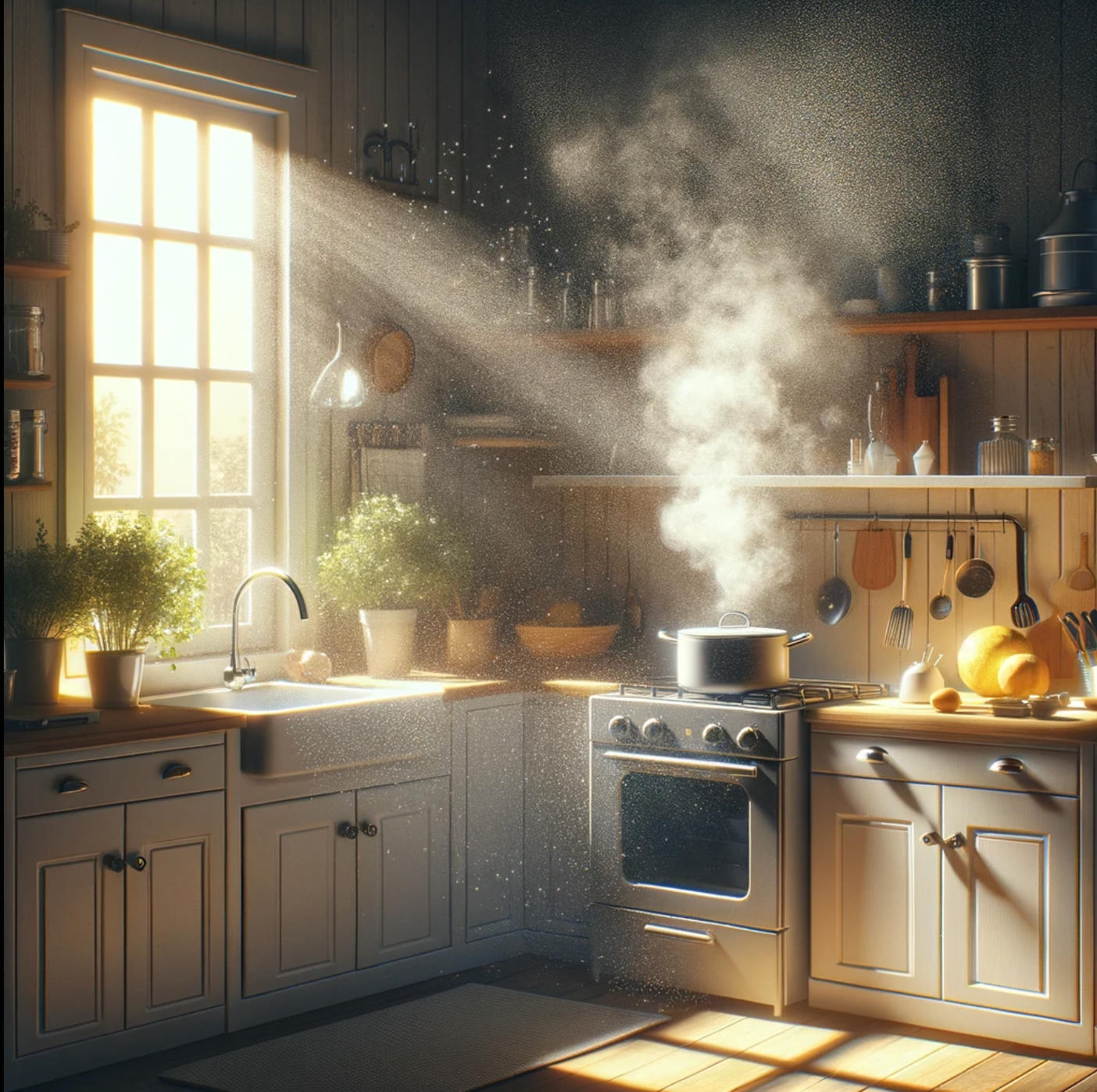
Air Purifier Vs Humidifier: Purpose, Differences, Benefits, and More
The average person spends about 90% of their time indoors, so the house is the primary source of air pollution. As people focus more on indoor air quality, they show a growing interest in devices like air purifiers and humidifiers: Air purifiers filter airborne contaminants, removing pollutants such as dust, pollen, mold, and pet dander from the air. Humidifiers help solve the problem of dry air. They add moisture and help with dry skin and irritated sinuses, especially in dry climates. Indoor air quality varies from home to home and can even fluctuate throughout the day. Let’s answer one of the main questions: Does your home need an air purifier or a humidifier? Difference Between Air Purifiers and Humidifiers The difference between an air purifier and a humidifier isn’t always clear to everyone. Below is a straightforward comparison to help you understand their distinct roles and benefits. Air Purifier Humidifier Primary Function Filters and removes airborne particles (dust, allergens, pollutants, bacteria, etc.) Adds moisture to the air to combat dryness Potential Downsides Requires regular filter replacements. Over-humidification can lead to mold growth and, if water contains impurities like chlorine, these can be released into the air. Best For Improving air quality by removing harmful particles Alleviating dry air and preventing dry skin, sinus irritation Maintenance Requires regular filter replacements Requires cleaning to prevent mold/bacteria Humidifiers are often used in homes to ease the discomfort of dry noses, throats, lips, and skin. By adding moisture to dry air, they also help with common winter issues like: Static electricity Peeling wallpaper Cracks in paint and furniture View this post on Instagram A post shared by Jaspr® ⛰️ (@jasprco) Too much moisture can lead to the growth of mold in your home. For example, dust mites are tiny creatures that trigger allergic reactions to household dust, and mold. The optimal indoor humidity level is generally between 45% and 55%, as shown in the chart below. Air purifiers are commonly used in homes to improve indoor air quality by reducing allergens, dust, smoke, and other pollutants. They help alleviate issues such as: Allergies and asthma symptoms Unpleasant odors Respiratory discomfort Let’s take an even closer look at the differences of these devices. Primary Function Air Purifier An air purifier removes harmful particles like dust, pollen, pet dander, mold, smoke, cooking particles, and odors from the air. It improves air quality, helps with allergies and respiratory issues, and enhances sleep quality by creating a cleaner breathing environment. Humidifier A humidifier adds moisture to the air, relieving dryness in the skin, throat, and sinuses. While useful in dry conditions, it doesn’t filter pollutants and can lead to excess humidity if overused. Impact on Air Quality Air Purifier Extremely effective at removing airborne contaminants, including dust, allergens, mold, PM2.5 (fine particulate matter), toxins, and volatile organic compounds (VOCs), significantly improving overall air quality and creating a healthier indoor environment. Humidifier While not designed to remove pollutants, a humidifier can help settle dust particles and reduce their circulation. It also prevents issues caused by dry air, such as cracks in paint or peeling wallpaper. Effect on Humidity Air Purifier Air purifiers don’t directly impact humidity levels, the primary function is to filter pollutants. By improving air circulation and airflow, an air purifier filters airborne mold, which often occurs in spaces with excessive humidity. Humidifier A humidifier increases the moisture level in the air. While helpful in dry environments, too much humidity can lead to significant problems, such as mold growth, dust mites, and mildew. These issues can negatively impact indoor air quality and even cause structural damage over time. Managing humidity carefully is essential to avoid these risks. Health Effect Air Purifier Air purifiers are ideal for people with allergies, asthma, or sensitivities to airborne pollutants. Removing dust, pollen, smoke, mold, and other particles reduces respiratory issues and improves sleep quality by providing cleaner, fresher air. Humidifier Humidifiers help prevent discomfort caused by dry air, such as dry skin, irritated sinuses, and sore throats. But keep in mind that excessive humidity can promote mold growth and dust mites, which can aggravate allergies and affect respiratory health. Understanding the difference between air purifiers and humidifiers will help you make an informed decision about which device will meet your needs best. Air Purifier Vs Humidifier: Which Works Better for Your Needs? Families with Babies What about air purifiers vs humidifiers for babies? A clean and comfortable environment is essential for families with babies. Babies are more vulnerable to airborne pollutants, which can cause respiratory issues or exacerbate allergies. For example, if you live in an area with high pollen counts or have pets, an air purifier can trap these allergens and reduce the risk of your baby inhaling them. For instance, Jaspr is ideal for improving air quality in nurseries. It filters 99.9% of harmful particles, including mold, dust, pet dander, and different allergens. On the other hand, a humidifier is also important in maintaining a comfortable environment for your baby, especially in winter when indoor air tends to be dry. A humidifier adds moisture to the air, which can prevent dry skin, chapped lips, and irritated nasal passages. People with Allergies What is better for allergies humidifier or air purifier? For individuals suffering from allergies, an air purifier is generally the better choice. Air purifiers effectively remove airborne allergens such as dust mites, pollen, and pet dander. In contrast, humidifiers can be less effective in addressing the root causes of allergies. While adding moisture to the air can sometimes help alleviate dryness-related symptoms, it does not remove allergens. People with Sinus Problems Let’s also explore air purifiers vs humidifiers for sinuses. When it comes to sinus problems, both an air purifier and a humidifier can offer significant benefits. A humidifier helps moisture to the air, which can prevent your sinuses from becoming too dry and irritated. This moisture can alleviate symptoms such as congestion and sinus pressure. Meanwhile, an air purifier removes airborne irritants and allergens that can inflame the sinuses. Jaspr uses advanced filtration systems to reduce pollutants that could aggravate sinus issues. So, with an air purifier, the air in your home will be free from irritants that could exacerbate sinus conditions. Air Purifier and Humidifier Work Together? The combination of an air purifier and a humidifier can be incredibly effective. Using both devices together offers a comprehensive approach to tackling air quality issues, which will improve respiratory health and comfort. Can You Use an Air Purifier and Humidifier at the Same Time? Yes, you can use an air purifier and a humidifier at the same time. In fact, using both devices together can maximize their benefits. The air purifier will continue to clean the air of pollutants, while the humidifier maintains an optimal level of moisture. This combination can be especially useful in environments where both dry air and airborne pollutants are a concern. Can You Use an Air Purifier and Humidifier in the Same Room? Yes, you can use both devices in the same room. Using them together in the same space can be highly beneficial. There are a few considerations to keep in mind to ensure they work optimally: Placement. The air purifier should be placed in a central location where it can effectively filter the air. The humidifier should be placed where it can disperse moisture evenly, away from the air purifier’s intake to avoid interference. Airflow. Ensure that the air purifier's intake and exhaust are not obstructed by the humidifier. If the air purifier’s filter gets too damp from excessive humidity, it could reduce its efficiency. Similarly, excessive moisture could potentially lead to mold growth if not properly managed. Maintenance. Both devices require regular maintenance. Clean the air purifier’s filters and ensure the humidifier is regularly cleaned to prevent mold and bacteria buildup. Proper maintenance helps ensure that both devices function effectively. Humidity levels. Monitor the humidity levels in the room. Ideally, indoor humidity should be between 45% and 55%. Using a hygrometer can help you keep track of humidity levels to avoid over-humidification, which can lead to condensation and mold issues. Wrapping up, an air purifier and a humidifier together can enhance your indoor air quality and comfort. By understanding their functions, placing them strategically, and maintaining them properly, you can create a healthier and more pleasant living environment. More Tips on Air Purifier Vs Humidifier So, now you know, that choosing between an air purifier and a humidifier depends on your specific needs and the issues. Both devices offer distinct benefits. We want to give you some additional tips to help you choose the right device for your home. Consider the Size of the Space Choose an air purifier that is appropriately sized for the room where it will be used. Check the manufacturer's recommendations for the maximum room size to ensure the device will be effective. For instance, the Jaspr air purifier efficiently covers large spaces like kitchens and living areas, as well as smaller rooms like bedrooms. Look for Specific Features We recommend combining filters for air purifiers as in Jaspr. HEPA filters remove small particles and allergens. Activated carbon filters remove odors or gases. As for a humidifier, choose a device with a built-in hygrometer to monitor and control humidity levels accurately. Maintenance and Cost Air purifiers and humidifiers need regular maintenance: cleaning or replacing filters. Consider the long-term cost of filter replacements and ensure you can easily access them. For instance, an air purifier Jaspr has a lifetime warranty. Noise Levels Some air purifiers can be noisy, which may be a concern if you plan to use them in a bedroom or other quiet area. Look for models designed to operate quietly as whisper-quiet Jaspr. Humidifiers generally produce less noise, but certain models can still be distracting. Check for user reviews on noise levels if this is important to you. Avoid Ozone-Generating Devices Be cautious of devices that generate ozone, as ozone can be harmful to your health. Ozone can irritate the respiratory system and exacerbate conditions like asthma. Look for air purifiers and humidifiers that do not produce ozone or have been certified to meet safety standards. Why Clean Air Matters Air quality is crucial for well-being. While humidity needs fluctuate with the seasons, the need for clean air is constant. Think about this: We can live weeks without food, days without water, but only minutes without air. This underscores the importance of ensuring the air in your home is always free from harmful particles. Air Purifier: A year-round necessity for everyone. Humidifier: A temporary tool for dry seasons, with potential downsides if misused. Now that you understand the benefits and limitations of both devices, you can make an informed choice to improve your home’s air quality and your overall comfort. FAQ Does an air purifier help with humidity? No, air purifiers do not affect humidity levels. They help with the byproducts of excess humidity, such as mold, mustiness, odors, and dampness. Do air purifiers dry the air? No, air purifiers only filter the air and do not alter moisture levels. Can humidifiers make your air worse? Yes, humidifiers can make the air worse if they add too much humidity, leading to mold growth and other issues. Additionally, if the water quality isn’t pure, chemicals like chlorine in the water can become aerosolized and worsen air quality. Can you use an air purifier and humidifier at the same time? Yes , you can use both devices simultaneously without any issues. Can you use an air purifier and humidifier in the same room? Yes, it’s perfectly fine to use both in the same room for balanced air quality and humidity.
Read more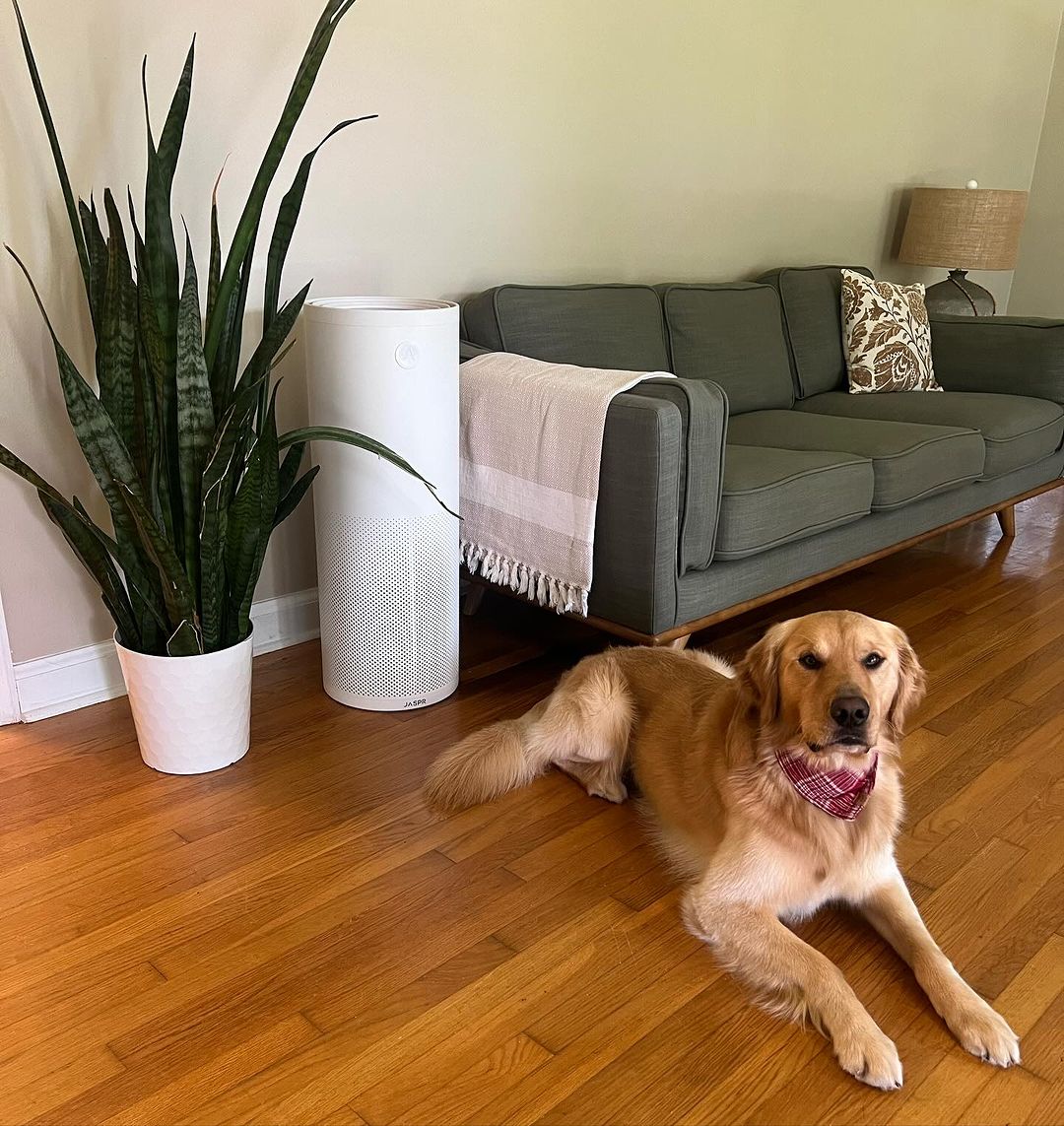
Do You Really Need an Air Purifier: Essential for Health or Overhyped Gadget?
Perhaps, almost everyone who has come across this gadget has likely asked themselves: "Do I need an air purifier?" The answer is Yes if you generally seek options to make air cleaner in your household. The promise of these devices is simple: cleaner air that’s free of dust, allergens, pollutants, and odors. View this post on Instagram A post shared by HIM & HER SHOW (@tscpodcast) However, certain groups of people can particularly benefit from using the device. They include: Families with kids or pets Households close to wildfire areas or other pollutants People with allergies or sensitivities to chemicals People with sleep problems or fatigue Households in humid areas prone to mold and odors Smokers Small households Let's dig into all the details. What Is an Air Purifier? An air purifier is a device designed to remove contaminants from the air in a room or enclosed space. These devices typically use a combination of filters and fans to clean the air. Air purifiers have become increasingly common. As awareness of air quality and its impact on health grows, more people are considering purchasing one for their homes or offices. The Importance of Indoor Air Quality The air inside your home may not always be as clean as you think. Surprisingly, concentrations of organic pollutants are 2 to 5 times higher indoors than outdoors. Even more, poor indoor air quality has been linked to many health problems. They range from short-term effects like eye, nose, and throat irritation to more serious issues such as asthma, allergies, and cardiovascular disease. All pollutants causing these issues come from different places. Common Sources of Indoor Air Pollution Indoor air pollution can stem from a variety of sources, often making the air inside homes more polluted than the air outside. These common sources are: Dust and dust mites accumulate on furniture, carpets, and other surfaces. Pollen can enter your home through open windows or on your clothing. Mold can grow in damp areas such as bathrooms and basements, releasing spores into the air that affect respiratory health. Pet dander can exacerbate asthma symptoms in those who are already asthmatic. Tobacco smoke releases harmful chemicals and particulates into the air. Volatile Organic Compounds (VOCs) are emitted from products like paints, cleaning supplies, and furniture. Frying and grilling can release grease particles and odors. Does an air purifier solve these issues, and do you actually need one? How Air Purifier Can Help You Air purifiers with complex filters can solve the main pollution problems. For instance, Jaspr has a combination of: Pre-filter HEPA filter Activated carbon filter Together, these make it highly effective in addressing a wide range of pollutants. Such powerful air purifiers can solve many issues. Reduce Allergens, Dust and Mold Spore Many people buy air purifiers to cut down on allergens, dust, and mold in their homes. If you have seasonal allergies or asthma or are sensitive to dust, an air purifier with a HEPA filter can help remove many of these particles, easing your symptoms. For homes with pets, purifiers can also help reduce pet dander and hair in the air. Improve Respiratory Health Air purifiers can help people with breathing issues. These devices remove harmful particles like smoke, mold spores, and chemicals. For those with asthma or lung problems, breathing in these irritants can make symptoms worse. Purifiers filter out these pollutants. This can help prevent asthma attacks and improve overall breathing. Eliminate Odors Cooking smells, pet odors, and even chemicals from cleaning products can linger in the air. They make your home less pleasant to be in. Activated carbon filters in air purifiers can absorb these unwanted smells and leave your space smelling fresher. Remove Harmful Chemicals Indoor air can be contaminated with harmful chemicals from products like paints, cleaning supplies, or building materials. Air purifiers equipped with activated carbon filters can help remove these VOCs. Thus, they improve indoor air quality and reduce potential health risks. Reduce Airborne Bacteria and Viruses Some air purifiers can reduce airborne pathogens such as bacteria and viruses. While this feature may not eliminate every pathogen, it can add a layer of protection during cold and flu season, particularly in households with children or the elderly. Help with Sleep Quality Poor air quality can affect sleep, especially for people with allergies or respiratory issues. An air purifier can help remove irritants from the air. This allows for a more restful night's sleep. Many people report fewer disruptions during the night and waking up feeling more refreshed when using an air purifier in their bedroom. So, Do I Need an Air Purifier? The benefits of air purifiers are clear, but they may not be necessary for everyone. Here are some factors to consider when deciding if you need an air purifier: Do You Have Allergies or Respiratory Issues? If you suffer from seasonal allergies, asthma, or other respiratory conditions, an air purifier like Jaspr can provide significant relief. It helps remove allergens, dust, and other irritants from the air. For individuals with compromised respiratory health, an air purifier can improve air quality and reduce symptoms. Do You Live in an Area with Poor Air Quality? If you live in an area with high levels of outdoor pollution, such as near a busy road, industrial area, or in a region prone to wildfires, an air purifier can help mitigate the impact of outdoor pollutants that enter your home. Plus, urban environments may have higher levels of particulate matter and smog. This makes air purifiers beneficial for reducing indoor exposure to these pollutants. Do You Have Children or Elderly People at Home? Children and elderly individuals are more vulnerable to poor air quality. Their developing or aging immune systems may be weaker. So, they are more susceptible to the harmful effects of allergens, bacteria, and airborne viruses. Infants and toddlers, in particular, spend a lot of time crawling or playing close to the floor. There, dust, pet dander, and other allergens accumulate. An air purifier like Jaspr can reduce the amount of these irritants and lower the risk of respiratory issues or allergic reactions. Similarly, elderly individuals are more prone to respiratory illnesses and weakened lung function. The fine particulate matter in polluted air can exacerbate chronic conditions like asthma or bronchitis. Do You Have Pets? Pet owners often deal with pet dander and hair floating around the home. If you're sensitive to pet allergens or simply want to reduce the amount of pet-related debris in your living space, an air purifier can help capture and remove these particles from the air. Is Your Home Prone to Odors or Mold? If your home frequently smells from cooking, pets, or dampness, an air purifier can help eliminate these odors. Or, if your home has moisture issues, such as a basement prone to dampness, a purifier can help reduce airborne mold spores that could affect your respiratory health. Do You Live with Smokers? Secondhand smoke is a known health hazard. It contains toxic chemicals that can linger in the air. An air purifier like Jaspr with activated carbon filters can reduce smoke particles and associated toxins. This device is an important tool for maintaining air quality in homes with smokers. Is Your Area Prone to Wildfires? For people living in regions affected by wildfires, smoke and ash can quickly deteriorate air quality. Even with windows closed, fine particulate matter from smoke can seep indoors. An air purifier can be crucial during wildfire season to remove these harmful particles from the air. Do You Suffer from Poor Sleep? If allergens, dust, or bad smells are affecting your sleep, an air purifier can help by making the air cleaner and creating a more peaceful environment for resting. For example, if you’re allergic to pollen and it keeps you awake at night, running an air purifier can filter out the pollen, help you breathe easier, and sleep more soundly. Do You Live in a Small Space? Apartments or homes with smaller square footage tend to have less natural airflow. This can cause pollutants to build up quickly. In these environments, an air purifier can help keep the air fresh and free from contaminants, particularly if opening windows isn’t always an option. Are You Experiencing Fatigue or Headaches Indoors? Poor air quality can contribute to symptoms like fatigue, headaches, and difficulty concentrating. Do you notice that you feel more sluggish or unwell when you're inside? An air purifier might help alleviate these issues by removing pollutants that may be contributing to your symptoms. Are You Sensitive to Chemical Sensitivities or Fragrances? For people sensitive to strong smells, like perfumes or cleaning products, an air purifier can help by removing these irritating odors. For example, air fresheners and other chemicals are not good for the indoor environment. But, if someone uses these in your household, an air purifier like Jaspr can clean the air for you to avoid headaches and breathing issues. Wrapping up, air purifiers can be a great investment for improving indoor air quality and reducing allergens. They can really make your home healthier. Whether you need one depends on your specific situation and health. If any of the mentioned factors apply to you, getting an air purifier could help you breathe easier and feel more comfortable at home.
Read more
Do Air Purifiers Help with Mold? Yes, But Not Alone
Yes, they do! But they are just tools in your arsenal of several measures against mold. You will also need to control moisture, fix leaks, and clean the mold itself. View this post on Instagram A post shared by Jaspr® ⛰️ (@jasprco) Shortly, that’s how air purifiers and their filters work against mold: Air purifiers reduce airborne mold spores. HEPA filters capture up to 99.97% of fine particulates (which includes mold spores). Activated carbon filters help with odors. Place air purifiers in high-risk areas (like basements). Run them 24/7 for best results. Regularly replace or clean filters as per manufacturer’s guidelines. Still, use air purifiers as part of a broader mold management plan, including controlling moisture and cleaning mold. Let’s now tackle this step-by-step: First, we’ll figure out just how dangerous mold can be. Next up, we’ll learn the best ways to combat it. Finally, we’ll find out how to make it disappear. So, keep reading to get a more comprehensive answer to the question: Do air purifiers help with mold? Invisible Danger Mold isn’t just a nuisance—it's a serious health hazard. Ignoring mold can lead to severe and potentially life-threatening health issues. Mold is a common problem for about 47% of residential buildings in the United States. Unfortunately, many people only start addressing this issue when health problems come up. The effects of mold on your health can be alarming and far-reaching. View this post on Instagram A post shared by Dr. Becky Campbell (@drbeckycampbell) Respiratory Issue Mold spores can invade your lungs and cause: Persistent coughing Wheezing Shortness of breath For people with asthma or chronic lung conditions, mold exposure can trigger asthma attacks. Infections and Diseases Certain molds, like Aspergillus, can cause dangerous infections in the lungs. Prolonged exposure may lead to serious conditions like aspergillosis. It can be life-threatening, especially for individuals with weakened immune systems. Allergic Reactions Mold can provoke intense allergic reactions, including sneezing, itchy eyes, and a runny nose. In severe cases, it can trigger life-altering conditions such as allergic rhinitis or hypersensitivity pneumonitis. Skin and Eye Irritations Exposure to mold can lead to itchy, red eyes and skin rashes. Mold spores can aggravate conditions like eczema, making skin problems even worse. Mental Health Decline The stress of living in a mold-infested environment can severely impact mental health. It can lead to anxiety, depression, and social isolation. All due to unpleasant living conditions and health concerns. Increased Risk for Vulnerable Groups Children, the elderly, pregnant women, and other vulnerable groups with compromised immune systems face higher risks from mold exposure. The health impacts on them can be particularly severe. It can affect their overall quality of life and lead to serious health complications. So, if you’ve spotted mold in your household, it’s better to fight it quickly to protect your health and well-being. Best Measures Against Mold Combatting mold requires a multi-faceted approach to tackle the problem from various angles. Here are three essential strategies to manage mold in your home. Control Moisture and Address LeaksMold thrives in damp environments. That’s why controlling moisture is key to preventing its growth. Here’s how you can do it:Repair any leaks in pipes, roofs, or windows.Use dehumidifiers and keep indoor humidity levels between 40% and 50%.Provide fresh air circulation. Clean and Remove Existing MoldIf you find mold in your home, clean and remove it as quickly as possible. Ignoring even small mold patches can lead to larger infestations. These are a few steps to clean and remove mold:Conduct regular mold inspections.Use mold cleaners for small patches.If you have a significant mold problem, seek professional mold remediation services.Use anti-mold solutions to apply to walls, ceilings, and other surfaces to reduce the risk of mold returning. Use Air PurifiersDo air purifiers help with mold? Absolutely!Air purifiers play a critical role in managing mold in your home. They improve indoor air quality and reduce airborne mold spores. Besides, they are a good add on to the above-mentioned measures, since mold needs a complex solution. Let’s explore more how air purifier helps with mold. How Air Purifiers Help Against Mold Mold releases tiny spores into the air that people can inhale. These spores can become airborne and enter your lungs. There, mold spores may irritate and lead to various health issues. We've already discussed them earlier. Air purifiers clean the air by removing pollutants, allergens, and particulates. They use various types of filters to trap airborne contaminants. For mold-related issues, you need air purifier with HEPA filters like Jaspr. // In fact, Jaspr air purifiers have been tested to show impressive results. In a control test, Jaspr was able to catch 87% of mold spores within just one hour, demonstrating its efficiency in combating airborne mold spores in a real-world setting. This makes it a great option for dealing with mold spores before they have the chance to settle and grow. More details on the test can be found here. Also, Jaspr can improve air quality and remove other pollutants and allergens, such as dust, pet dander, and pollen. This is particularly beneficial for individuals with respiratory issues or allergies. It's because it can reduce the overall burden on their immune system. Finally, activated carbon filters in the Jaspr air purifiers can absorb odors and VOCs released by mold. Thus, they reduce the musty smell often associated with mold growth. In short, air purifiers don’t eliminate the mold. But, they can make the home more comfortable, safer, and pleasant to live in. Maximize the Effectiveness of Your Air Purifier Against Mold To ensure that your air purifier works at its best, follow these tips to maximize its effectiveness: Place the Air Purifier in High-Risk Areas To maximize mold removal, strategically place your air purifier where mold is most likely to thrive. Mold grows in areas with high humidity and poor ventilation, such as: Bathrooms Basements Kitchens Laundry rooms While these are the common areas where mold tends to develop, it’s important to note that Jaspr air purifiers are meant to be used as a full-home system. Instead of placing a single purifier in areas like bathrooms or laundry rooms (which actually sounds obvious), it’s recommended to position multiple Jaspr units throughout the main areas of your home, such as kitchens, bedrooms, and living rooms. This ensures consistent air quality improvement across the entire house. Position the air purifiers near these mold-prone zones and in the primary living areas for the best results. Also, ensure the purifier is not blocked by furniture or walls, as proper airflow is essential for capturing airborne mold spores. Optimize Air Circulation An air purifier works best when it has adequate airflow, allowing it to draw in and filter as much air as possible. Leave doors open to let air move freely between rooms. This helps the purifier pull in spores from surrounding spaces. It's better to choose devices suitable for both small and big spaces. Mold spores are constantly floating through the air. So, keeping the purifier on 24/7 ensures consistent filtration. Therefore, it's better to find a device with whisper-quiet technology like Jaspr. Regularly Replace or Clean Filters Air purifiers rely on clean filters to function efficiently. Over time, HEPA and activated carbon filters can become clogged with particles. This reduces their ability to capture mold spores. Check the manufacturer’s guidelines for how often you should replace the filters. Typically, HEPA filters last 6-12 months, while activated carbon filters may need changing every 3-6 months. For instance, Jaspr uses a 3-in-1 filter that gets changed every 6 months. You can change the filter in under 30 seconds, so everybody can cope with it. Control Humidity Levels Air purifiers are excellent at trapping airborne mold spores. However, they do not directly prevent mold from growing on surfaces. Mold growth is primarily driven by moisture, and air purifiers do not address humidity levels in the home. To prevent mold from growing, it’s important to control moisture with the measures we outlined earlier. So, Do Air Purifiers Help with Mold? 100%! Mold is a persistent problem that requires a combination of strategies to manage. Air purifiers are an important component of a mold prevention plan. They help improve air quality, capture airborne mold spores, and reduce musty odors. However, they are not a standalone solution. To truly combat mold, focus on controlling moisture levels in your home. Then, set up proper ventilation and remove existing mold growth. Air purifiers will help create a cleaner, healthier environment to reduce the risk of mold-related health issues. Remember, if you don't filter your air, your lungs are the filter. FAQs: How Air Purifiers Help with Mold Are All Air Purifiers Effective Against Mold? No, not all air purifiers are equally effective at removing mold spores from the air. Just HEPA filters are specifically designed to capture small particles like mold spores. How Do I Know if My Air Purifier is Effective Against Mold? Some modern air purifiers, like Jaspr, have real-time air quality monitoring. This feature can give you an indication of how well the purifier is cleaning the air. Do Air Purifiers Help with Mold Completely? Air purifiers cannot completely eliminate mold from your home. They can, however, greatly reduce the concentration of airborne mold spores. This will make the air cleaner and safer to breathe. To fully eliminate mold, you must address the root causes of mold growth, such as humidity, and physically clean or remove mold from surfaces. Where Should I Place My Air Purifier to Fight Mold? Central placement is ideal for certain air purifiers. However, modern air purifiers with strong airflow and powerful fans, can be effective when placed in corners. For instance, Jaspr is designed to work efficiently even when positioned in less central locations like corners. It has robust air intake and output systems that can circulate and clean the air effectively, even from the corner of a room. Can Air Purifiers Help with Mold Allergies? Yes, air purifiers can help reduce mold allergies by filtering out airborne mold spores that trigger allergic reactions. Can Air Purifiers Help with Musty Mold Odors? Air purifiers with activated carbon filters can help reduce musty odors associated with mold. For instance, Jaspr filters are designed to absorb odors and chemicals in the air. Thus, they make the environment smell fresher. However, they do not eliminate the source of the mold. Can an Air Purifier Help with Mold in the Basement? Yes, it will capture mold spores in the air but won’t remove existing mold. To eliminate the existing mold, you’ll need to clean the affected areas with mold-removal solutions. The air purifier helps prevent the spread of airborne mold spores. How Can an Air Purifier Help with Mold in the Bathroom? Air purifiers are helpful in bathrooms with poor ventilation by reducing airborne mold spores. However, keeping moisture levels low and regular cleaning are necessary to prevent mold growth on surfaces.
Read more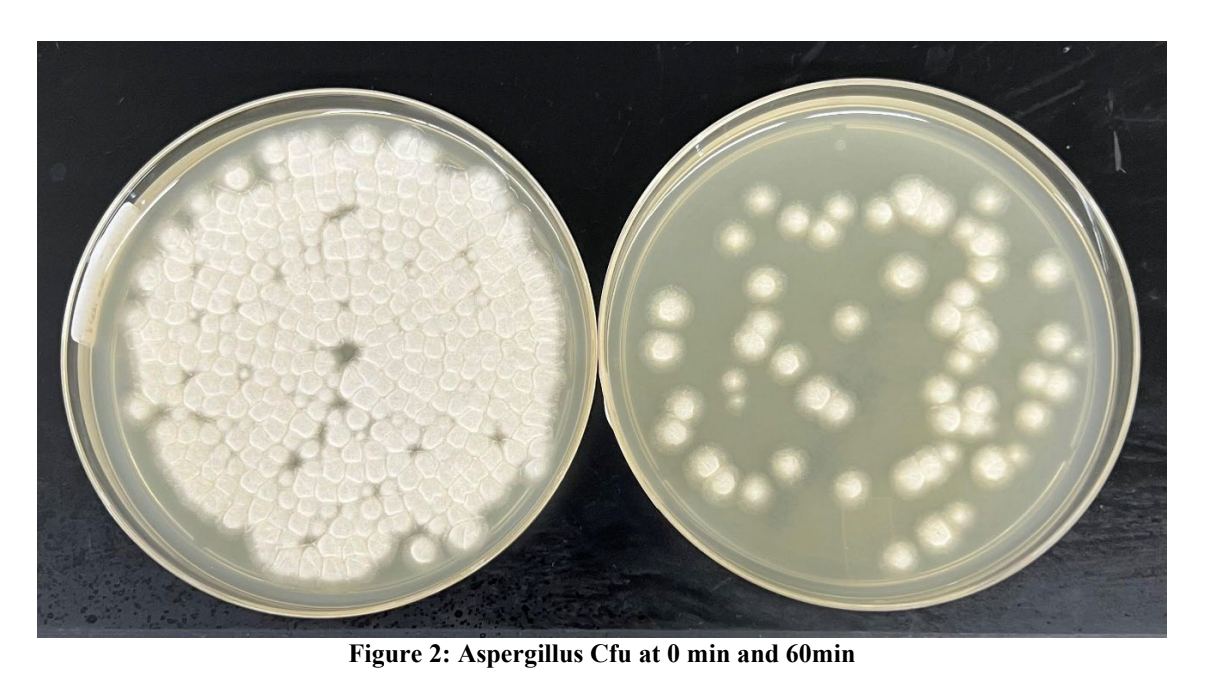
Jaspr vs Mold
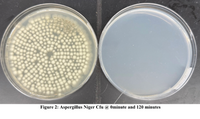
JASPR VS. MOLD Okay, this is really exciting stuff, prepare to be mind blown! 🤯 The EPA required us to do a 3rd party lab study on mold in order for us to make scientific claims. So, we hired a laboratory called LMS technologies to run a study for us. 1st step: They filled the air with millions of mold spores 2nd step: They turned on Jaspr 3rd step: They monitored the airborne levels of mold for 60 minutes Here is a photo of a petri dish mold sample ONLY 60 minutes after running the Jaspr in a 500 square foot room. 👇 CONCLUSION Jaspr 1, Mold 0. In a short 60 minutes Jaspr removed 87% of mold spores in the room. At this rate, the air would have 98% less mold in 3 hours and 99.9% less mold in 24 hours. Reminder: MOLD is everywhere, it's inside, its outside and in our modern indoor environments mold gets trapped inside and can't escape. This is why I started Jaspr, and why I consider filtering your air to be the single most important step to living a healthier life. ____________________________________________________________________ HERE IS THE PROOF As always, we believe in 100% transparency so here is the link to actual lab results. ____________________________________________________________________ Thanks for reading. It is my honor to be able to use my previous experience in mold remediation to create the world's only air purifier that is commercial in strength but has the aesthetic and beauty that your home deserves. Thank you for reading. mike 🙏
Read more