What We're Thinking About

Air Purifier Vs Humidifier: Purpose, Differences, Benefits, and More
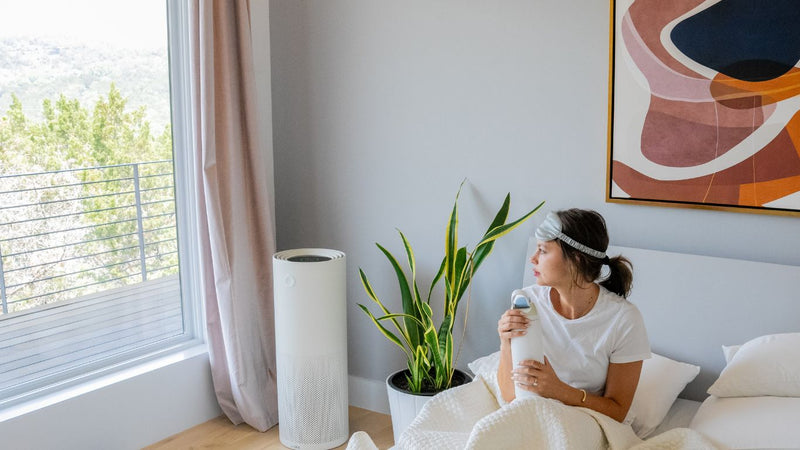
The average person spends about 90% of their time indoors, so the house is the primary source of air pollution. As people focus more on indoor air quality, they show a growing interest in devices like air purifiers and humidifiers: Air purifiers filter airborne contaminants, removing pollutants such as dust, pollen, mold, and pet dander from the air. Humidifiers help solve the problem of dry air. They add moisture and help with dry skin and irritated sinuses, especially in dry climates. Indoor air quality varies from home to home and can even fluctuate throughout the day. Let’s answer one of the main questions: Does your home need an air purifier or a humidifier? Difference Between Air Purifiers and Humidifiers The difference between an air purifier and a humidifier isn’t always clear to everyone. Below is a straightforward comparison to help you understand their distinct roles and benefits. Air Purifier Humidifier Primary Function Filters and removes airborne particles (dust, allergens, pollutants, bacteria, etc.) Adds moisture to the air to combat dryness Potential Downsides Requires regular filter replacements. Over-humidification can lead to mold growth and, if water contains impurities like chlorine, these can be released into the air. Best For Improving air quality by removing harmful particles Alleviating dry air and preventing dry skin, sinus irritation Maintenance Requires regular filter replacements Requires cleaning to prevent mold/bacteria Humidifiers are often used in homes to ease the discomfort of dry noses, throats, lips, and skin. By adding moisture to dry air, they also help with common winter issues like: Static electricity Peeling wallpaper Cracks in paint and furniture View this post on Instagram A post shared by Jaspr® ⛰️ (@jasprco) Too much moisture can lead to the growth of mold in your home. For example, dust mites are tiny creatures that trigger allergic reactions to household dust, and mold. The optimal indoor humidity level is generally between 45% and 55%, as shown in the chart below. Air purifiers are commonly used in homes to improve indoor air quality by reducing allergens, dust, smoke, and other pollutants. They help alleviate issues such as: Allergies and asthma symptoms Unpleasant odors Respiratory discomfort Let’s take an even closer look at the differences of these devices. Primary Function Air Purifier An air purifier removes harmful particles like dust, pollen, pet dander, mold, smoke, cooking particles, and odors from the air. It improves air quality, helps with allergies and respiratory issues, and enhances sleep quality by creating a cleaner breathing environment. Humidifier A humidifier adds moisture to the air, relieving dryness in the skin, throat, and sinuses. While useful in dry conditions, it doesn’t filter pollutants and can lead to excess humidity if overused. Impact on Air Quality Air Purifier Extremely effective at removing airborne contaminants, including dust, allergens, mold, PM2.5 (fine particulate matter), toxins, and volatile organic compounds (VOCs), significantly improving overall air quality and creating a healthier indoor environment. Humidifier While not designed to remove pollutants, a humidifier can help settle dust particles and reduce their circulation. It also prevents issues caused by dry air, such as cracks in paint or peeling wallpaper. Effect on Humidity Air Purifier Air purifiers don’t directly impact humidity levels, the primary function is to filter pollutants. By improving air circulation and airflow, an air purifier filters airborne mold, which often occurs in spaces with excessive humidity. Humidifier A humidifier increases the moisture level in the air. While helpful in dry environments, too much humidity can lead to significant problems, such as mold growth, dust mites, and mildew. These issues can negatively impact indoor air quality and even cause structural damage over time. Managing humidity carefully is essential to avoid these risks. Health Effect Air Purifier Air purifiers are ideal for people with allergies, asthma, or sensitivities to airborne pollutants. Removing dust, pollen, smoke, mold, and other particles reduces respiratory issues and improves sleep quality by providing cleaner, fresher air. Humidifier Humidifiers help prevent discomfort caused by dry air, such as dry skin, irritated sinuses, and sore throats. But keep in mind that excessive humidity can promote mold growth and dust mites, which can aggravate allergies and affect respiratory health. Understanding the difference between air purifiers and humidifiers will help you make an informed decision about which device will meet your needs best. Air Purifier Vs Humidifier: Which Works Better for Your Needs? Families with Babies What about air purifiers vs humidifiers for babies? A clean and comfortable environment is essential for families with babies. Babies are more vulnerable to airborne pollutants, which can cause respiratory issues or exacerbate allergies. For example, if you live in an area with high pollen counts or have pets, an air purifier can trap these allergens and reduce the risk of your baby inhaling them. For instance, Jaspr is ideal for improving air quality in nurseries. It filters 99.9% of harmful particles, including mold, dust, pet dander, and different allergens. On the other hand, a humidifier is also important in maintaining a comfortable environment for your baby, especially in winter when indoor air tends to be dry. A humidifier adds moisture to the air, which can prevent dry skin, chapped lips, and irritated nasal passages. People with Allergies What is better for allergies humidifier or air purifier? For individuals suffering from allergies, an air purifier is generally the better choice. Air purifiers effectively remove airborne allergens such as dust mites, pollen, and pet dander. In contrast, humidifiers can be less effective in addressing the root causes of allergies. While adding moisture to the air can sometimes help alleviate dryness-related symptoms, it does not remove allergens. People with Sinus Problems Let’s also explore air purifiers vs humidifiers for sinuses. When it comes to sinus problems, both an air purifier and a humidifier can offer significant benefits. A humidifier helps moisture to the air, which can prevent your sinuses from becoming too dry and irritated. This moisture can alleviate symptoms such as congestion and sinus pressure. Meanwhile, an air purifier removes airborne irritants and allergens that can inflame the sinuses. Jaspr uses advanced filtration systems to reduce pollutants that could aggravate sinus issues. So, with an air purifier, the air in your home will be free from irritants that could exacerbate sinus conditions. Air Purifier and Humidifier Work Together? The combination of an air purifier and a humidifier can be incredibly effective. Using both devices together offers a comprehensive approach to tackling air quality issues, which will improve respiratory health and comfort. Can You Use an Air Purifier and Humidifier at the Same Time? Yes, you can use an air purifier and a humidifier at the same time. In fact, using both devices together can maximize their benefits. The air purifier will continue to clean the air of pollutants, while the humidifier maintains an optimal level of moisture. This combination can be especially useful in environments where both dry air and airborne pollutants are a concern. Can You Use an Air Purifier and Humidifier in the Same Room? Yes, you can use both devices in the same room. Using them together in the same space can be highly beneficial. There are a few considerations to keep in mind to ensure they work optimally: Placement. The air purifier should be placed in a central location where it can effectively filter the air. The humidifier should be placed where it can disperse moisture evenly, away from the air purifier’s intake to avoid interference. Airflow. Ensure that the air purifier's intake and exhaust are not obstructed by the humidifier. If the air purifier’s filter gets too damp from excessive humidity, it could reduce its efficiency. Similarly, excessive moisture could potentially lead to mold growth if not properly managed. Maintenance. Both devices require regular maintenance. Clean the air purifier’s filters and ensure the humidifier is regularly cleaned to prevent mold and bacteria buildup. Proper maintenance helps ensure that both devices function effectively. Humidity levels. Monitor the humidity levels in the room. Ideally, indoor humidity should be between 45% and 55%. Using a hygrometer can help you keep track of humidity levels to avoid over-humidification, which can lead to condensation and mold issues. Wrapping up, an air purifier and a humidifier together can enhance your indoor air quality and comfort. By understanding their functions, placing them strategically, and maintaining them properly, you can create a healthier and more pleasant living environment. More Tips on Air Purifier Vs Humidifier So, now you know, that choosing between an air purifier and a humidifier depends on your specific needs and the issues. Both devices offer distinct benefits. We want to give you some additional tips to help you choose the right device for your home. Consider the Size of the Space Choose an air purifier that is appropriately sized for the room where it will be used. Check the manufacturer's recommendations for the maximum room size to ensure the device will be effective. For instance, the Jaspr air purifier efficiently covers large spaces like kitchens and living areas, as well as smaller rooms like bedrooms. Look for Specific Features We recommend combining filters for air purifiers as in Jaspr. HEPA filters remove small particles and allergens. Activated carbon filters remove odors or gases. As for a humidifier, choose a device with a built-in hygrometer to monitor and control humidity levels accurately. Maintenance and Cost Air purifiers and humidifiers need regular maintenance: cleaning or replacing filters. Consider the long-term cost of filter replacements and ensure you can easily access them. For instance, an air purifier Jaspr has a lifetime warranty. Noise Levels Some air purifiers can be noisy, which may be a concern if you plan to use them in a bedroom or other quiet area. Look for models designed to operate quietly as whisper-quiet Jaspr. Humidifiers generally produce less noise, but certain models can still be distracting. Check for user reviews on noise levels if this is important to you. Avoid Ozone-Generating Devices Be cautious of devices that generate ozone, as ozone can be harmful to your health. Ozone can irritate the respiratory system and exacerbate conditions like asthma. Look for air purifiers and humidifiers that do not produce ozone or have been certified to meet safety standards. Why Clean Air Matters Air quality is crucial for well-being. While humidity needs fluctuate with the seasons, the need for clean air is constant. Think about this: We can live weeks without food, days without water, but only minutes without air. This underscores the importance of ensuring the air in your home is always free from harmful particles. Air Purifier: A year-round necessity for everyone. Humidifier: A temporary tool for dry seasons, with potential downsides if misused. Now that you understand the benefits and limitations of both devices, you can make an informed choice to improve your home’s air quality and your overall comfort. FAQ Does an air purifier help with humidity? No, air purifiers do not affect humidity levels. They help with the byproducts of excess humidity, such as mold, mustiness, odors, and dampness. Do air purifiers dry the air? No, air purifiers only filter the air and do not alter moisture levels. Can humidifiers make your air worse? Yes, humidifiers can make the air worse if they add too much humidity, leading to mold growth and other issues. Additionally, if the water quality isn’t pure, chemicals like chlorine in the water can become aerosolized and worsen air quality. Can you use an air purifier and humidifier at the same time? Yes , you can use both devices simultaneously without any issues. Can you use an air purifier and humidifier in the same room? Yes, it’s perfectly fine to use both in the same room for balanced air quality and humidity.
Read more
Do You Really Need an Air Purifier: Essential for Health or Overhyped Gadget?
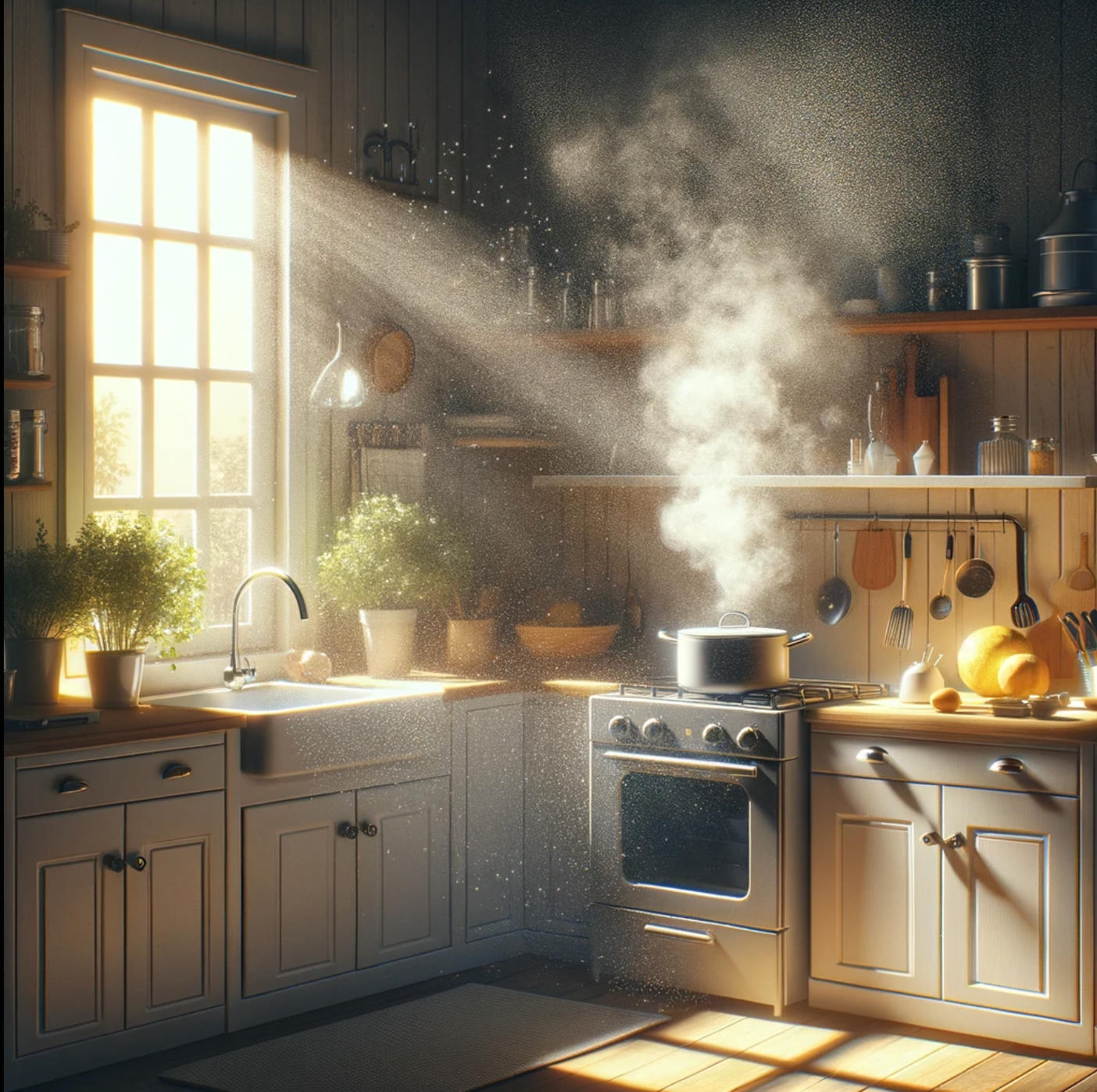
Perhaps, almost everyone who has come across this gadget has likely asked themselves: "Do I need an air purifier?" The answer is Yes if you generally seek options to make air cleaner in your household. The promise of these devices is simple: cleaner air that’s free of dust, allergens, pollutants, and odors. View this post on Instagram A post shared by HIM & HER SHOW (@tscpodcast) However, certain groups of people can particularly benefit from using the device. They include: Families with kids or pets Households close to wildfire areas or other pollutants People with allergies or sensitivities to chemicals People with sleep problems or fatigue Households in humid areas prone to mold and odors Smokers Small households Let's dig into all the details. What Is an Air Purifier? An air purifier is a device designed to remove contaminants from the air in a room or enclosed space. These devices typically use a combination of filters and fans to clean the air. Air purifiers have become increasingly common. As awareness of air quality and its impact on health grows, more people are considering purchasing one for their homes or offices. The Importance of Indoor Air Quality The air inside your home may not always be as clean as you think. Surprisingly, concentrations of organic pollutants are 2 to 5 times higher indoors than outdoors. Even more, poor indoor air quality has been linked to many health problems. They range from short-term effects like eye, nose, and throat irritation to more serious issues such as asthma, allergies, and cardiovascular disease. All pollutants causing these issues come from different places. Common Sources of Indoor Air Pollution Indoor air pollution can stem from a variety of sources, often making the air inside homes more polluted than the air outside. These common sources are: Dust and dust mites accumulate on furniture, carpets, and other surfaces. Pollen can enter your home through open windows or on your clothing. Mold can grow in damp areas such as bathrooms and basements, releasing spores into the air that affect respiratory health. Pet dander can exacerbate asthma symptoms in those who are already asthmatic. Tobacco smoke releases harmful chemicals and particulates into the air. Volatile Organic Compounds (VOCs) are emitted from products like paints, cleaning supplies, and furniture. Frying and grilling can release grease particles and odors. Does an air purifier solve these issues, and do you actually need one? How Air Purifier Can Help You Air purifiers with complex filters can solve the main pollution problems. For instance, Jaspr has a combination of: Pre-filter HEPA filter Activated carbon filter Together, these make it highly effective in addressing a wide range of pollutants. Such powerful air purifiers can solve many issues. Reduce Allergens, Dust and Mold Spore Many people buy air purifiers to cut down on allergens, dust, and mold in their homes. If you have seasonal allergies or asthma or are sensitive to dust, an air purifier with a HEPA filter can help remove many of these particles, easing your symptoms. For homes with pets, purifiers can also help reduce pet dander and hair in the air. Improve Respiratory Health Air purifiers can help people with breathing issues. These devices remove harmful particles like smoke, mold spores, and chemicals. For those with asthma or lung problems, breathing in these irritants can make symptoms worse. Purifiers filter out these pollutants. This can help prevent asthma attacks and improve overall breathing. Eliminate Odors Cooking smells, pet odors, and even chemicals from cleaning products can linger in the air. They make your home less pleasant to be in. Activated carbon filters in air purifiers can absorb these unwanted smells and leave your space smelling fresher. Remove Harmful Chemicals Indoor air can be contaminated with harmful chemicals from products like paints, cleaning supplies, or building materials. Air purifiers equipped with activated carbon filters can help remove these VOCs. Thus, they improve indoor air quality and reduce potential health risks. Reduce Airborne Bacteria and Viruses Some air purifiers can reduce airborne pathogens such as bacteria and viruses. While this feature may not eliminate every pathogen, it can add a layer of protection during cold and flu season, particularly in households with children or the elderly. Help with Sleep Quality Poor air quality can affect sleep, especially for people with allergies or respiratory issues. An air purifier can help remove irritants from the air. This allows for a more restful night's sleep. Many people report fewer disruptions during the night and waking up feeling more refreshed when using an air purifier in their bedroom. So, Do I Need an Air Purifier? The benefits of air purifiers are clear, but they may not be necessary for everyone. Here are some factors to consider when deciding if you need an air purifier: Do You Have Allergies or Respiratory Issues? If you suffer from seasonal allergies, asthma, or other respiratory conditions, an air purifier like Jaspr can provide significant relief. It helps remove allergens, dust, and other irritants from the air. For individuals with compromised respiratory health, an air purifier can improve air quality and reduce symptoms. Do You Live in an Area with Poor Air Quality? If you live in an area with high levels of outdoor pollution, such as near a busy road, industrial area, or in a region prone to wildfires, an air purifier can help mitigate the impact of outdoor pollutants that enter your home. Plus, urban environments may have higher levels of particulate matter and smog. This makes air purifiers beneficial for reducing indoor exposure to these pollutants. Do You Have Children or Elderly People at Home? Children and elderly individuals are more vulnerable to poor air quality. Their developing or aging immune systems may be weaker. So, they are more susceptible to the harmful effects of allergens, bacteria, and airborne viruses. Infants and toddlers, in particular, spend a lot of time crawling or playing close to the floor. There, dust, pet dander, and other allergens accumulate. An air purifier like Jaspr can reduce the amount of these irritants and lower the risk of respiratory issues or allergic reactions. Similarly, elderly individuals are more prone to respiratory illnesses and weakened lung function. The fine particulate matter in polluted air can exacerbate chronic conditions like asthma or bronchitis. Do You Have Pets? Pet owners often deal with pet dander and hair floating around the home. If you're sensitive to pet allergens or simply want to reduce the amount of pet-related debris in your living space, an air purifier can help capture and remove these particles from the air. Is Your Home Prone to Odors or Mold? If your home frequently smells from cooking, pets, or dampness, an air purifier can help eliminate these odors. Or, if your home has moisture issues, such as a basement prone to dampness, a purifier can help reduce airborne mold spores that could affect your respiratory health. Do You Live with Smokers? Secondhand smoke is a known health hazard. It contains toxic chemicals that can linger in the air. An air purifier like Jaspr with activated carbon filters can reduce smoke particles and associated toxins. This device is an important tool for maintaining air quality in homes with smokers. Is Your Area Prone to Wildfires? For people living in regions affected by wildfires, smoke and ash can quickly deteriorate air quality. Even with windows closed, fine particulate matter from smoke can seep indoors. An air purifier can be crucial during wildfire season to remove these harmful particles from the air. Do You Suffer from Poor Sleep? If allergens, dust, or bad smells are affecting your sleep, an air purifier can help by making the air cleaner and creating a more peaceful environment for resting. For example, if you’re allergic to pollen and it keeps you awake at night, running an air purifier can filter out the pollen, help you breathe easier, and sleep more soundly. Do You Live in a Small Space? Apartments or homes with smaller square footage tend to have less natural airflow. This can cause pollutants to build up quickly. In these environments, an air purifier can help keep the air fresh and free from contaminants, particularly if opening windows isn’t always an option. Are You Experiencing Fatigue or Headaches Indoors? Poor air quality can contribute to symptoms like fatigue, headaches, and difficulty concentrating. Do you notice that you feel more sluggish or unwell when you're inside? An air purifier might help alleviate these issues by removing pollutants that may be contributing to your symptoms. Are You Sensitive to Chemical Sensitivities or Fragrances? For people sensitive to strong smells, like perfumes or cleaning products, an air purifier can help by removing these irritating odors. For example, air fresheners and other chemicals are not good for the indoor environment. But, if someone uses these in your household, an air purifier like Jaspr can clean the air for you to avoid headaches and breathing issues. Wrapping up, air purifiers can be a great investment for improving indoor air quality and reducing allergens. They can really make your home healthier. Whether you need one depends on your specific situation and health. If any of the mentioned factors apply to you, getting an air purifier could help you breathe easier and feel more comfortable at home.
Read moreDo Air Purifiers Help With Mold? What Actually Works | Jaspr
Do Air Purifiers Help With Mold? What They Can and Can’t Do By Michael Feldstein, Founder of Jaspr Do air purifiers help with mold? Yes. Air purifiers can help with mold by reducing airborne mold particles. But they cannot remove mold growing on walls, floors, furniture, or inside a building, and they cannot fix the moisture problem causing the mold. That distinction matters. The U.S. EPA says portable air cleaners may remove some particles generated by mold and may sometimes help reduce odors. But solving a mold problem requires addressing the moisture source and cleaning up the existing mold. Source: U.S. EPA, Guide to Air Cleaners in the Home I think about mold as two separate problems: The building problem Moisture and existing mold growth. The air problem Mold spores and other particles that have become airborne. An air purifier or air scrubber can help with the second. It does not replace dealing with the first. Can an air purifier remove mold spores from the air? Yes. A mechanical air cleaner can reduce airborne mold particles by pulling contaminated room air through a particle filter. Mold produces spores and other fragments that can become airborne. The filter matters. But there is another piece I think consumers overlook: The machine has to move enough contaminated air through that filter. A phenomenal filter sitting behind a weak fan can still clean a room slowly. That is why I would not choose an air cleaner for mold based only on a filter label. What is the best air purifier for mold? For airborne mold particles, I would choose a high-airflow air cleaner or air scrubber with enough clean-air delivery for the room, effective mechanical filtration, appropriate room sizing, and continuous operation you can comfortably live with. I would look for: High clean-air delivery Enough airflow for the room Effective mechanical particle filtration A well-sealed filter system Activated carbon if odor is also a concern Low enough noise to run continuously No intentional ozone production The EPA recommends choosing an air cleaner with a Clean Air Delivery Rate, or CADR, large enough for the room. Higher CADR means the machine can filter more particles and serve a larger space. Source: U.S. EPA, Guide to Air Cleaners in the Home For mold, I would put airflow and clean-air delivery near the top of the list. Why does airflow matter for mold? Because a filter cannot capture a mold particle until that particle reaches the machine. This sounds obvious, but it is the part of air cleaning people often miss. Imagine two machines. One has an extremely efficient filter but moves very little air. The other combines highly effective filtration with substantially greater clean-air delivery. In a real room, the second machine may remove airborne particles much faster because it is processing far more of the air you are actually breathing. Think about it this way: Capturing a very high percentage of a tiny amount of air can accomplish less than capturing a slightly lower percentage of a much larger amount of air. For a room air cleaner, you care about: How much clean air is being delivered back into the room? Not just the filter material in isolation. How much CADR do I need for mold? The right CADR depends on the size and volume of the room you are trying to clean. EPA sizing guidance gives the following approximate reference points for rooms with 8-foot ceilings: Room Size Approximate Minimum CADR 100 sq. ft. 65 CFM 200 sq. ft. 130 CFM 300 sq. ft. 195 CFM 400 sq. ft. 260 CFM 500 sq. ft. 325 CFM 600 sq. ft. 390 CFM Source: U.S. EPA, Guide to Air Cleaners in the Home Higher ceilings contain more air, so they may require more cleaning capacity. A 400-square-foot room with an 8-foot ceiling contains: 3,200 cubic feet of air. The same floor area with a 12-foot ceiling contains: 4,800 cubic feet of air. Same square footage. 50% more air. This is why I do not love giant claims like: Covers 2,000 square feet. My next question is: At what airflow and air-change rate? Is HEPA necessary for mold? A high-efficiency particle filter can be very effective for airborne mold particles, but the word HEPA alone does not tell you whether the complete air cleaner will perform well in your room. The EPA defines a HEPA filter as capable of removing at least 99.97% of airborne particles at approximately 0.3 microns under the relevant test conditions. Source: U.S. EPA, What Is a HEPA Filter? That is excellent filtration. But: You are not buying a filter. You are buying an air-cleaning system. I care about: How much air it moves Whole-machine clean-air delivery Room size Filter sealing Noise Runtime A great filter that processes very little room air is not necessarily the best machine for a mold-affected room. Is 0.3 microns the smallest particle an air filter can capture? No. The common 0.3-micron number is not a minimum particle-size cutoff. It is approximately the region that can be most difficult for high-efficiency fibrous filters to capture. The EPA explains that particles larger and smaller than approximately 0.3 microns can actually be captured at even greater efficiency. Source: U.S. EPA, What Is a HEPA Filter? So: 0.3 microns is not a wall. This is one reason I am skeptical of purifier marketing built around claims like: Filters particles down to X microns. The question I care more about is: How much contaminated room air can the complete machine actually process? What can an air purifier not do for mold? An air purifier cannot fix the source of a mold problem. It cannot: Repair a leaking roof Fix a plumbing leak Dry a wet wall cavity Remove mold growing inside drywall Lower structural moisture Replace proper remediation Prove a building is mold-free because the smell improves The EPA puts the principle very simply: Moisture control is the key to mold control. If mold is growing, clean up the mold and fix the water problem. Source: U.S. EPA, A Brief Guide to Mold, Moisture and Your Home That is why I think the right sequence is: Find the moisture. Fix the moisture. Remove the mold. Then scrub what is airborne. What humidity level helps prevent mold? Keeping indoor humidity controlled is one of the most important things you can do to reduce the conditions that support mold growth. The EPA generally recommends keeping indoor relative humidity below 60%, ideally around 30% to 50%. CDC recommends keeping humidity no higher than 50% when possible. Sources: U.S. EPA, A Brief Guide to Mold, Moisture and Your Home CDC, Mold This is why an air purifier and a dehumidifier solve different problems. Dehumidifier Addresses excess moisture. Air cleaner Addresses particles in the air. Sometimes you need both. Air purifier vs. dehumidifier for mold: which do I need? If excess humidity is causing the problem, you may need a dehumidifier. If airborne particles are the concern, an air cleaner can help. If you have both problems, you may need both. For example: If your basement stays at 70% relative humidity, filtration does not fix that. If you lower the humidity but leave mold-contaminated material in place, you have not completed the job either. And if you remediate the material but leave lots of airborne particles circulating through the space, filtration can still be useful. Each tool does a different job. Do I need professional mold remediation? It depends on the size, source, and complexity of the mold problem. The EPA says many homeowners can handle mold cleanup themselves when the affected area is smaller than roughly 10 square feet, provided they follow appropriate mold-cleanup guidance. Professional help may be appropriate when: Mold covers a larger area There has been significant water damage Contaminated water was involved Hidden mold is suspected HVAC systems may be contaminated People in the building may be particularly vulnerable Source: U.S. EPA, Mold Cleanup in Your Home CDC recommends additional caution for people with asthma, COPD, mold allergies, weakened immune systems, or other conditions that may make mold exposure more consequential. Source: CDC, Mold Clean Up Guidelines and Recommendations An air purifier should never give you false confidence that remediation is unnecessary. My perspective after years in mold restoration Before starting Jaspr, I spent roughly a decade working in disaster restoration. Floods. Fires. Water-damaged buildings. Mold. That background is a big reason we call Jaspr an air scrubber instead of just another air purifier. On restoration projects, we cared deeply about moving contaminated air through filtration. The industrial machines we used could move serious amounts of air. But they were built for job sites. They were loud. They were ugly. They were not something most people would want sitting beside their bed every night. That eventually became part of the idea behind Jaspr: Take the air-scrubbing mindset from restoration and build it into a machine people would actually want to live with and keep running. And there is one lesson from restoration that applies to every homeowner dealing with mold: Filtration is powerful, but source control comes first. If the drywall is moldy, deal with the drywall. If the pipe is leaking, fix the pipe. If the basement stays at 70% humidity, address the humidity. Then: Move a lot of air through good filtration. Is an air scrubber better than an air purifier for mold? Not simply because it is called an air scrubber. What matters is how much clean air the complete machine delivers, how well it filters particles, how it is sized for the room, and whether you can run it continuously. Traditional restoration air scrubbers are built around the idea of moving and filtering contaminated air. That philosophy makes sense to me. But I would still compare any home air scrubber against any home air purifier based on actual performance. Look at: CADR Airflow Room volume Filtration Noise Filter sealing Runtime Carbon The name does not clean the air. The machine does. Why does the filter seal matter? Because contaminated air that leaks around the filter does not receive the filtration you think you are paying for. A filter can have extraordinary efficiency. But if the machine allows air to bypass the filter around the edges, that bypass air does not receive the advertised filtration. EPA guidance for HEPA vacuums makes this same distinction, noting that a machine needs to be designed so intake air passes through the filter rather than leaking around it. Source: U.S. EPA, HEPA Vacuum Guidance So when I evaluate an air cleaner, I care about: The filter. But also: The housing. The seal. The airflow path. The fan. The complete machine matters. How has Jaspr performed against airborne mold? In third-party laboratory testing, Jaspr reduced measured airborne mold by 97.1% after one hour and 99.8% after two hours under the test conditions. Source: Jaspr Air Scrubber That wording matters. Airborne mold reduction. It does not mean Jaspr: Removed mold from drywall Fixed a leak Lowered building humidity Remediated a structure Made a moldy building safe It means the machine reduced measured airborne mold in the test environment. That is exactly how I think air-cleaner testing should be communicated. Test what the machine actually does. Report the result. Do not turn an air-filtration result into a claim about fixing a building. How does Jaspr approach mold filtration? Jaspr is designed as a high-airflow home air scrubber, with whole-machine clean-air delivery, particle filtration, activated carbon, PM2.5 sensing, and continuous operation in mind. Current Jaspr specifications include: Metric Jaspr Smoke CADR 340 CFM Dust CADR 356 CFM Pollen CADR 361 CFM Activated carbon 1 lb Sensors PM2.5 + VOC Source: Jaspr Air Scrubber I care about those numbers because they describe the whole machine, not just one piece of filter media. For mold, the question is not: Does it have a good filter? It is: How much contaminated room air can this machine repeatedly pull in, filter, and return as cleaner air? Does activated carbon help with mold smell? Activated carbon may help reduce some gases and odors associated with musty environments, but reducing an odor is not the same thing as removing mold. The EPA notes that activated carbon can help filter certain gases and that air cleaners may sometimes reduce odors associated with mold. Its effectiveness depends in part on how much adsorbent material is actually present. Source: U.S. EPA, Guide to Air Cleaners in the Home If the basement smells less musty after you turn on an air cleaner: Great. But: That is not evidence that the mold is gone. Find the source. How long should I run an air purifier for mold? If you are trying to reduce airborne particles, longer operation generally means more air is filtered. The EPA notes that higher fan speeds and longer runtimes generally increase the amount of air filtered. Source: U.S. EPA, Guide to Air Cleaners in the Home My preference is simple: Use a machine powerful enough that you can comfortably leave it running continuously. When particle levels are elevated, run it harder when practical. And keep the intake and exhaust unobstructed. An air cleaner cannot clean air it cannot move. Can one air purifier handle mold in a whole house? Do not assume one portable air cleaner can aggressively clean every room in a large or compartmentalized home. Air has to reach the machine. Closed doors matter. Walls matter. Multiple floors matter. High ceilings matter. The EPA notes that multiple portable air cleaners can be used when a space is larger than a single unit can serve. Source: U.S. EPA, Guide to Air Cleaners in the Home I would usually prioritize: Bedrooms Main living areas Basements or previously affected spaces Home offices Other frequently occupied rooms Can an air purifier prevent mold from growing? Not by itself. Mold growth is fundamentally a moisture problem. An air cleaner does not: Repair leaks Dry wet materials Lower structural moisture Meaningfully dehumidify a room Control: Leaks. Condensation. Humidity. Water damage. Then use filtration to reduce what is airborne. Will an air purifier kill mold? That is not the primary job of a mechanical air cleaner. The goal is simpler: Pull airborne particles out of the room and capture them in the filtration system. I am skeptical of products that shift the conversation toward exotic "killing" technologies while saying very little about how much clean air the complete machine actually delivers. The EPA recommends avoiding air cleaners that intentionally produce ozone and notes that some ionizing, plasma, and UV-containing technologies may have the potential to emit ozone. Source: U.S. EPA, Guide to Air Cleaners in the Home My preference is straightforward: Dirty air in. Filter it. Cleaner air out. Does an air purifier help with basement mold? Yes, it can help reduce airborne mold particles in a basement, but basements often have a moisture problem that must also be addressed. If humidity is high, investigate: Drainage Foundation moisture Plumbing leaks Condensation HVAC Dehumidification Then size the air cleaner appropriately for the space. If there is visible mold: Deal with the mold. Do not expect the air purifier to make it disappear. Do air purifiers help with mold allergies? Reducing airborne mold particles may reduce exposure, but individual health effects vary. CDC notes that indoor mold exposure can be associated with symptoms including cough, wheeze, respiratory symptoms, and asthma symptoms in susceptible people. People with allergies, asthma, underlying respiratory conditions, or weakened immune systems may be more sensitive. Source: CDC, Mold If you are experiencing symptoms or have a health condition that may make mold exposure more concerning, speak with a qualified healthcare professional. Bottom Line: Do air purifiers help with mold? Yes, with the airborne part of the problem. A capable high-airflow air cleaner can reduce airborne mold particles. But it cannot replace: Fixing leaks Controlling humidity Drying wet materials Removing contaminated material Proper mold remediation When choosing an air cleaner for mold, do not stop at a filter acronym. Look at the complete machine. Ask: How much clean air does it deliver? How much room air does it move? How large is the space? How well is the filter sealed? How long will I actually run it? Is there meaningful carbon if odor matters? Then handle the mold problem in the right order: Fix the moisture. Remove the mold. Then move a lot of air through good filtration. That's the formula. Frequently Asked Questions About Air Purifiers and Mold Do air purifiers remove mold spores? Air cleaners with effective mechanical filtration can capture airborne mold spores and other mold particles as contaminated room air passes through the filtration system. What is the best air purifier for mold? Look for a high-airflow air cleaner with strong clean-air delivery for the room, effective particle filtration, appropriate room sizing, a well-sealed filter, low enough noise for continuous use, and activated carbon if odor reduction matters. Is an air scrubber good for mold? Yes, an appropriately designed air scrubber can reduce airborne mold particles. It does not replace fixing moisture problems or removing mold growing in building materials. Should I run an air purifier all day if I have mold? For airborne-particle reduction, longer runtime generally provides more filtration. EPA guidance notes that higher fan speeds and longer operation increase the amount of air filtered. Is a dehumidifier or air purifier better for mold? They solve different problems. A dehumidifier addresses excess humidity. An air purifier addresses airborne particles. A mold problem may require both, along with source control and cleanup. Can an air purifier remove black mold? An air purifier can reduce airborne particles associated with mold, regardless of the mold's color. It cannot remove a mold colony growing on drywall, flooring, wood, or other materials. Can an air purifier remove mold smell? Activated carbon may help reduce some musty odors and gases, but odor reduction does not prove that the source of the mold has been removed. Does filter airflow matter for mold? Yes. A filter can only capture particles from air that actually reaches it. Whole-machine clean-air delivery is therefore an important part of reducing airborne mold particles in a room. Can one air purifier clean an entire house? Not necessarily. Walls, doors, floors, ceiling height, room layout, and air movement affect how much air can reach one portable machine. Larger homes may require multiple appropriately sized air cleaners. Does an air purifier prevent mold from coming back? Not by itself. Preventing mold growth primarily requires controlling moisture, leaks, condensation, and humidity. Sources U.S. Environmental Protection Agency. Guide to Air Cleaners in the Home. Portable air-cleaner sizing, CADR, airflow, runtime, activated carbon, ozone, and mold guidance.Read EPA guidance U.S. Environmental Protection Agency. What Is a HEPA Filter? Particle-filtration efficiency and the 0.3-micron misconception.Read EPA HEPA guidance U.S. Environmental Protection Agency. A Brief Guide to Mold, Moisture and Your Home. Moisture control, humidity, mold prevention, and cleanup.Read EPA mold guidance U.S. Environmental Protection Agency. Mold Cleanup in Your Home. Guidance on smaller mold areas and situations where professional help may be appropriate.Read EPA cleanup guidance Centers for Disease Control and Prevention. Mold. Mold exposure, respiratory effects, humidity, and susceptible populations.Read CDC mold guidance Centers for Disease Control and Prevention. Mold Clean Up Guidelines and Recommendations. Cleanup precautions and vulnerable populations.Read CDC cleanup guidance Jaspr. Air Scrubber Product Specifications and Airborne Mold Testing. Published CADR specifications, activated carbon, sensors, and third-party airborne mold reduction testing.Explore Jaspr
Read more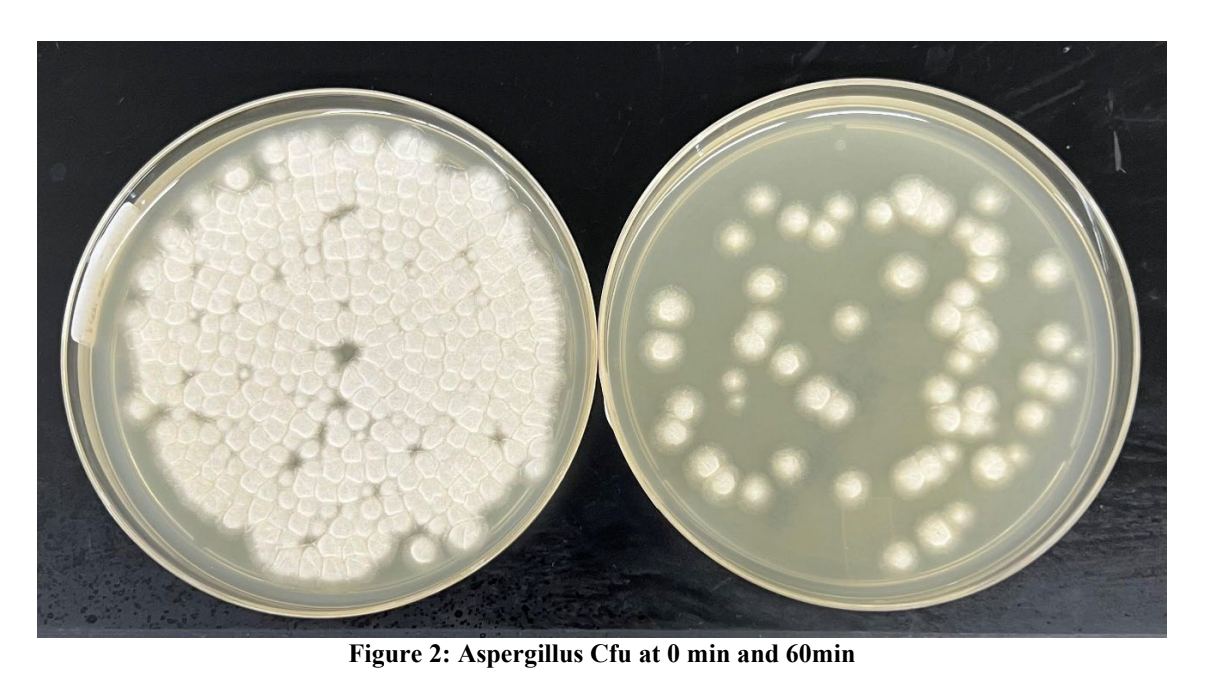
Jaspr vs Mold
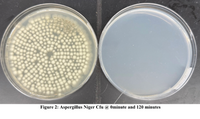
JASPR VS. MOLD Okay, this is really exciting stuff, prepare to be mind blown! 🤯 The EPA required us to do a 3rd party lab study on mold in order for us to make scientific claims. So, we hired a laboratory called LMS technologies to run a study for us. 1st step: They filled the air with millions of mold spores 2nd step: They turned on Jaspr 3rd step: They monitored the airborne levels of mold for 60 minutes Here is a photo of a petri dish mold sample ONLY 60 minutes after running the Jaspr in a 500 square foot room. 👇 CONCLUSION Jaspr 1, Mold 0. In a short 60 minutes Jaspr removed 87% of mold spores in the room. At this rate, the air would have 98% less mold in 3 hours and 99.9% less mold in 24 hours. Reminder: MOLD is everywhere, it's inside, its outside and in our modern indoor environments mold gets trapped inside and can't escape. This is why I started Jaspr, and why I consider filtering your air to be the single most important step to living a healthier life. ____________________________________________________________________ HERE IS THE PROOF As always, we believe in 100% transparency so here is the link to actual lab results. ____________________________________________________________________ Thanks for reading. It is my honor to be able to use my previous experience in mold remediation to create the world's only air purifier that is commercial in strength but has the aesthetic and beauty that your home deserves. Thank you for reading. mike 🙏
Read moreThe 2023 Ultimate Guide To Choosing an Air Purifier
Why Air Quality Matters With COVID-19 making the public hyper-aware of the risks of airborne viruses, a lack of awareness is no longer tenable for any business and a strategy that deals with the problem and allows you to bring your clients back with confidence is essential. This buyer’s guide is meant to arm you with the knowledge to make an informed decision when considering air purification solutions for your business. In general, air purifiers consist of a filter and a fan to bring in and circulate air so pollutants and particles are captured and the clean air is pushed back out as air moves through the filter. Not all air purifiers are the same and selecting the right solution may seem complicated – but we believe that it shouldn’t be. To help you decide on a solution we’ll review the importance of: Filtration Mechanism Airflow Capacity Noise Levels Cost & Confidence Filtration Mechanisms HEPA Filters at their most basic level are fans with a dense web of fine fibers, but don’t think of them like screen door filters. More accurately they are random webs of micro fibers that inherently hold a surface charge to them. Each layer is so thin that the final few-millimeters-thick filter is actually composed of hundreds of layers of these webs - and that is key to their efficacy. Even though there are pathways for air around the fibers, it is so convoluted that particles of all different sizes find their way to getting captured by at least 1 of 4 main mechanisms: sieving, impaction, interception, and diffusion. Particles that HEPA filters capture Pollen: 200 to 10 microns Mold: 100 to 3 microns Dust: 100 to 0.05 microns Dust Mite Debris: 100 to 0.5 microns Bacteria: 100 to 0.1 microns Smoke: 50 to 0.01 microns Viruses-carrying particles: 10 to 0.02 microns Viruses: 0.25 to 0.02 microns True HEPA (high efficiency particulate air) filters trace their origins back to WWII and the Manhattan project when physicists needed a way to make sure radioactive particles did not freely circulate about their workspaces. To be a True HEPA filtration device, an air purifier will have been tested and approved by one of several standardized test methods to achieve at least 99.97% filtration of 0.3 micron particles. All of the certification standards require multiple tests on each and every single filter before approval. Some filters will label themselves as “HEPA-type” or “HEPA-like,” but these filters are not verified HEPA so may not be as effective. True HEPA filters draw particles in via a fan and trap them in a web of fibers via 4 main mechanisms (illustrated above). These mechanisms combine to remove virtually all particles as shown by a NASA study and discussed below. So, reports that describe HEPA filters as only filtering particles down to 0.3 microns have misunderstood the scientific description of the filter performance and are simply wrong. 99.97% capture efficiency at 0.3 microns is the lowest capture efficiency allowable for a True-HEPA filter. For all other particle sizes, the capture efficiency is higher, ranging from 99.97 to 99.9999 and 100% for the largest and smallest particles - even at the nanoscale. Activated Carbon Filters are highly porous, high surface area substrates good at capturing odor-causing molecules. They help with volatile organic compounds (VOCs) – molecular sized gases from the built environment and cleaning and disinfecting chemicals used on surfaces and instruments. Those chemicals are important for sanitizing surfaces, but they don’t belong in the air we breathe. While that disinfectant-”clean” smell may indicate clean surfaces, it also means that there are volatile organic molecules in the air. The more open and available pores are present in a carbon filter – the more “activated” it is, and the better it is at trapping gaseous pollutants. Granulated carbon filters will be more affected (have more surface area) and will be longer lasting than any spray-on or carbon coated type of filter. The amount of material and porosity will determine how well your carbon filter works and how long it lasts before being deactivated and needing replacement. Ozone Generators, as the name implies, produce O3, a molecule that is very reactive and thus able to neutralize odors, kill mold, and react with different air pollutants to change their composition. This is because ozone is a higher energy free radical, the kind of molecules for which we take anti-oxidants like Vitamin C. US EPA reports explain that ozone can also cause health problems at high concentrations. In fact, studies from the US EPA show that low levels of ozone do not effectively destroy indoor air pollutants. Ozone is a well-documented lung irritant. The use of on-purpose ozone generators in any space is strongly opposed. Electrostatic Air Purifiers charge particles in the air so they can stick to oppositely charged plates inside the device. These devices can also produce high amounts of ozone as a byproduct Ultraviolet Germicidal Irradiation (UVGI) involves the use of specific wavelength UV-C lamps employed to damage the structure of fungal spores, viruses, and bacteria. The US EPA notes several studies in an extensive report on residential air cleaner technologies (jump to page 26) that demonstrate the potential usefulness of high energy UV-C irradiation for partial reduction of some microorganisms on internal surfaces of air cleaners but that action against airborne microbial targets is insufficient given the typical exposure times, sustained intensity, penetration ability of the light, and even resistance by some organisms. To be effective against the targets that are susceptible to UV-C, the exposure needs to be significantly longer than the few seconds seen in most air purifiers. Finally, UVGI would not be used independently of a HEPA filter so what additional benefit it brings is questionable. Photocatalytic Oxidation (PCO/PECO) uses UV light and a photocatalyst to oxidize gasses and capturecaptured particles into CO2 and other benign gasses. Depending on the molecules, some PCO/PECO have been shown to generate formaldehyde, acetaldehyde, carbon monoxide, and nitrogen dioxide. While these technologies potentially serve to clean the inside of the PCO surfaces, HEPA filters are still required to capture airborne particulates. Most of the out-sized claims from devices with this technology have been retracted. Air Flow Capacity The capacity of any air purifying unit, no matter the technology, is critical to the effectiveness of the device and has a strong impact on your health and the business health of your practice. The CFM (cubic feet per minute) rating is a measure of the cleaning speed of the purifier for removing smoke, dust, pollen, and other particulates. Your needs will depend on room size and usage, and desired ACH (air changes per hour). ACH is a calculation that takes into account the dimensions of a space and the value you select for your space will depend on several factors including local or national regulations. In general, you should aim for 5+ air changes per hour (and many more in some instances, such as dental operatories). Size of your space matters. To ensure efficacy, you need a model designed to work in the room or space size you want to address. You should always choose a model that is designed for a larger area than that which you are trying to service. First, to ensure capacity and also to give you the option to operate it at a lower, quieter setting. In fact, operating an air purifier at lower speeds can increase its capture efficiency by orders of magnitude! Noise Levels Noise is an important factor to consider not only for your clients as they come and go but even more for your colleagues and staff who are working in the space for extended periods. Look for a unit with a noise level below 70 decibels at its fastest setting. An air purifier is only useful if it is in operation. If it’s disruptive or a nuisance and users shut it off, it becomes just another piece of furniture. Cost & Confidence With all the performance possible, there are also practical considerations to weigh. Consumables & Maintenance: How often will the different filters need to be changed? Are there parts that my staff and I need to clean? Due to their function as capturers of “stuff,” all filtration media will need to be replaced at some point. The shape, size, class, and amount of filtration media will all impact the frequency of this occurrence. Warranty: What happens if a light, fuse, or some other component needs attention? Will I have to wait for someone to evaluate the problem, order parts, and schedule a fix? How much is maintenance going to cost me? Support: Does the device maker provide guidance with selecting your solution? Do they offer an evaluation of your space to determine optimal placement? How many units will you need to ensure the device is delivering on your expectations? Do they provide you with any certifications or client-facing marketing materials to support patient confidence in joining or returning to your business? The Essentials for Air Purifier Selection Evaluate Your Options With These Filtering Questions Filtration Technology ▢ Does the unit have a TRUE HEPA filter, H13 or above? ▢ Does it incorporate an activated carbon filtration component? ▢ Are you avoiding features that are ineffective and harmful? Cleaning Capacity ▢ Airflow: What are the CFM levels at different speeds? ▢ How many air changes per hour will the purifier achieve in your space? Noise Level & Interface ▢ What is the noise level of the unit at its high and medium settings? ▢ How many CFM do you achieve at an acceptable noise level for all day operation? ▢ Does the unit have an easy to view display to communicate status? ▢ How do you change settings? Do you have to do this manually? ▢ Does the unit display the current air quality to you and your staff or patients? Cost, Confidence, & Convenience ▢ What is the total annual cost of ownership? In addition to cost of purchase, what is the cost of the consumables over 1 year? 3 years? ▢ What kind of maintenance is available? ▢ Is the vendor going to be a partner to me?
Read moreBreathing Easier at Night: The Hidden Dangers CPAP Users Should Know
When it comes to a good night's sleep, we often focus on the comfort of our beds and the quality of our CPAP (Continuous Positive Airway Pressure) machines. But there's one vital factor that many CPAP users may not be aware of—the quality of the air they breathe while sleeping. The Air You Breathe Matters Clean air is crucial for our overall health and well-being, especially during sleep when our bodies work to repair and rejuvenate. Poor indoor air quality can introduce various pollutants into our breathing space, including dust, allergens, volatile organic compounds (VOCs), and even microscopic particles that can impact respiratory health. CPAP Machines: What You Need to Know CPAP machines are a lifesaver for those with sleep apnea, as they help keep airways open during sleep. These devices improve the quality of sleep, enhance oxygen intake, and ultimately lead to better rest. The Limitations of CPAP Filters While CPAP machines are highly effective at improving airflow, their filters have limitations. Standard CPAP filters are designed primarily to trap larger particles like dust and pet dander. Unfortunately, these filters may not effectively capture smaller particles, allergens, or harmful VOCs. Why Clean Air Matters for CPAP Users For CPAP users, the quality of air during sleep is of paramount importance. Breathing in contaminated air, filled with allergens or VOCs, can compromise the therapeutic benefits of CPAP therapy. It's crucial to recognize that the air you breathe while using a CPAP machine plays a vital role in your overall sleep quality and health. A Solution for Better Air Quality Enter the Jaspr Pro Air Purifier—a powerful ally for CPAP users seeking cleaner, healthier air while they sleep. The Jaspr Pro is designed with sleep in mind, offering an ultra-quiet operation that won't disrupt your rest. It features a multi-stage filtration system, including a HEPA filter, activated carbon, and a pre-filter. Here's how the Jaspr Pro Air Purifier can improve your sleep: Efficient Air Cleaning: The Jaspr Pro can efficiently remove common indoor pollutants, allergens, and VOCs, ensuring the air you breathe is fresh and clean. Whisper-Quiet Operation: Thanks to its quiet mode, the Jaspr Pro won't disturb your sleep. You'll wake up feeling refreshed and rejuvenated. Customizable Settings: You can adjust the fan speed and customize the Jaspr Pro to your preference. Whether you prefer silent operation or a gentle white noise, it's your choice. Designed for Bedrooms: The Jaspr Pro is the perfect companion for your bedroom, ensuring you have the best possible air quality during your sleep. In summary, clean air is essential for CPAP users, and the Jaspr Pro Air Purifier offers an effective solution. By investing in cleaner air, you're taking a significant step toward enhancing your sleep therapy and overall health. Don't let the hidden dangers of poor air quality affect your rest. Consider adding the Jaspr Pro to your bedroom, and experience the benefits of breathing easier at night.
Read moreThe Myth of UV: Why It's Ineffective for Air Purification
Introduction: In the world of air purification, UV technology has garnered attention for its potential to disinfect the air. However, when scrutinized closely, it becomes evident that UV's effectiveness in air purifiers is largely a misconception. In this comprehensive guide, we will delve into the science behind UV, its limitations, and why focusing on proven methods like HEPA and carbon filtration is a more sensible approach to cleaner air. The Need for Contact Exposure Time: One of the key reasons UV technology falls short in air purification is its reliance on contact exposure time. UV light requires a certain duration of exposure to effectively neutralize pathogens. In air purifiers, where air passes through swiftly, the minimal contact time renders the disinfection process ineffective. Unlike water filtration or surface cleaning, air purifiers lack the necessary conditions for UV to perform optimally. Ozone Emission: The Hidden Danger: A critical concern associated with UV technology is its emission of ozone. Despite claims to the contrary, UV-equipped air purifiers often release ozone, a harmful pollutant. Ozone, even in small amounts, can have adverse effects on respiratory health. Using an ozone detector will reveal the truth about these emissions, shedding light on the potential risks that UV air purifiers pose. Added Expenses and Energy Consumption: Apart from its ineffectiveness, UV technology introduces additional drawbacks. Installing UV components increases costs, both in terms of equipment and maintenance. Furthermore, these systems consume energy, contributing to higher electricity bills. The cumulative expenses and energy consumption make UV air purifiers an impractical choice. The Gimmick and Marketing Ploy: In an industry driven by innovation and competition, UV technology has been positioned as a marketable feature. However, the scientific evidence supporting its effectiveness in air purifiers is lacking. Many manufacturers leverage UV's reputation for germicidal properties to create a selling point, despite its minimal impact on air quality. This shift of focus from evidence-based purification to gimmicky marketing undermines the true purpose of air purification. The Jaspr Approach: Focus on the Essentials At Jaspr, we prioritize results over gimmicks. Our air purifiers rely on tried-and-true methods that have been proven to work: HEPA and carbon filtration. These technologies effectively capture particles, allergens, and odors from the air, promoting a healthier indoor environment. By avoiding the distractions of UV technology, we stay committed to delivering practical solutions that make a difference. Conclusion: In the pursuit of cleaner air, it's essential to separate fact from fiction. UV technology's shortcomings in air purification are evident, from its need for contact exposure time to the emission of harmful ozone. By choosing Jaspr's HEPA and carbon filtration systems, you embrace an approach grounded in science and proven results. Let's prioritize genuine air quality enhancement over marketing-driven myths and pave the way for healthier living spaces.
Read moreThe Truth About PCO Air Purifiers: What They Don't Tell You About Photocatalytic Oxidation
Navigating the complex world of air purification technologies requires discernment and knowledge. As innovation paves the way to cleaner air, the appeal of new methods may often mask their inherent risks. This article explores the potential shortcomings of Photocatalytic Oxidation (PCO) technology and illustrates why HEPA + Carbon filtration is the superior choice. Unraveling the Complexities: HEPA + Carbon vs. PCO Air Purifiers In the pursuit of air purification, the decision between HEPA + Carbon filtration and Photocatalytic Oxidation (PCO) becomes central. Below, we probe into the reasons why PCO may be a choice that requires caution: Drawbacks of Photocatalytic Oxidation (PCO): Ozone Exposure: PCO generates ozone, a molecule that can threaten respiratory health. Secondary Pollutants: Unforeseen byproducts may carry unknown health risks. Proven Technology: PCO is less established and lacks the track record of traditional methods. Health Concerns: Potential risks arise from the presence of unknown compounds. Unpredictable Efficacy: PCO's effectiveness varies, leaving gaps in pollutant coverage. Examining the Risks: The Hidden Dangers of PCO Selecting an air purifier means placing health and safety at the forefront. PCO presents several concerns that warrant a closer look: Ozone Exposure: More Than Just a Drawback Among the myriad issues associated with PCO technology, ozone exposure stands out as an alarming risk. Although ozone protects us from UV radiation in the atmosphere, at ground level, it becomes a respiratory hazard. The very purifiers designed to enhance our air quality may, ironically, produce ozone as a byproduct. This contradiction creates a situation where the pursuit of cleaner air results in potential health threats. Ozone's Hidden Costs Inhaled ozone can inflame lung tissues, causing symptoms that range from irritation to serious respiratory diseases over time. Beyond affecting human health, ozone can also damage materials, tarnish fabrics, and even hurt indoor plants. Making an Informed Choice: Health Above All Considering these substantial risks, choosing the right air purifier becomes a crucial health decision. Focus must remain on solutions that safeguard the well-being of everyone indoors. HEPA + Carbon: The Proven Way Forward Innovation's promise must be balanced against the potential dangers it might pose. PCO's ozone generation stands out as a major concern. The best course of action is clear: choose a solution like HEPA + Carbon filtration, which combines effectiveness with safety. Comparison of HEPA + Carbon Filtration vs. Photocatalytic Oxidation (PCO) In the quest for pristine air quality, understanding the differences between available technologies is paramount. The table below outlines key features and drawbacks of both HEPA + Carbon Filtration and Photocatalytic Oxidation (PCO): Feature / Concern HEPA + Carbon Filtration Photocatalytic Oxidation (PCO) Ozone Exposure No ozone emission Generates ozone; respiratory risks Secondary Pollutants Controlled & predictable Unintended byproducts; health impacts Proven Technology Established, decades of proven results Less established; evolving understanding Health Concerns Well understood & regulated Potential risks from unknown compounds Efficacy Across Pollutants Consistent effectiveness Variable; might not cover all pollutants Conclusion Your health and well-being should never be compromised. When it comes to air purification, choose a path that aligns with your core values. At Jaspr, we steadfastly support solutions that protect both your indoor environment and those you care about. Embrace the tested, trusted path to excellence with HEPA + Carbon filtration. Breathe in the confidence of a healthier, safer indoor space. Additional Resources: - Certain air filters using photocatalytic oxidation have dangerous by-product - What are the adverse health effects from exposure to ozone?
Read more
Luxury Air
Written by Brittany German There are practices in place that ensure we have access to healthy, clean food and water. Of the three pillars of health, food and water are always top of mind, while air, is not. Despite air being our most important biological requirement, it is probably the dirtiest and unhealthiest of our three intakes, of which we inhale 17,000 litres per day. Why settle for contaminated air, when you can breathe luxury air? How Serious is this? There are government protocols in place to clean food and water. However, there is nothing of the sort for air. Until this changes, we need to take matters into our own hands to protect ourselves and our loved ones. The American Lung Association publishes a yearly "State of the Air" report that outlines trends in air pollution around the world. This year's report shows close to 1.1 million people more than last year are living in areas with unhealthy levels of particle pollution. Studies have shown that consistently breathing contaminated air can have serious effects on your health. Unfortunately, 4 in 10 Americans risk experiencing new and/or worsening health problems. Luxury Air and Athletes We know that athletes stick to strict food regimes to optimize their nutritional intake. This includes drinking the best water. Why? By maintaining a healthy body, they in turn improve their performance. Kangen Water is a company that offers high-end technology that filters tap water in addition to producing ionized alkaline and acidic water using electrolysis. We have developed the technology to clean our water, but aren't actively paying attention to cleaning our air to the same degree. If we and athletes were all more aware of how unhealthy air affects us, then we would be able to make more informed decisions to apply to our overall health regime as we do with food and water. There can be mold and bacteria in food that we refuse to eat. There can be germs and diseases in water that we refuse to drink. There are particulates and contaminants in the air... yet we breathe them in, constantly. You don't have to be an athlete to provide your body with the best. Jaspr Air Purifiers: Built for Wildfire Air Originally engineered to combat wildfire air, Jaspr Air Purifiers are the ultimate product for filtering particulates and contaminants out of the air. Due to its advanced technology, doctors and dentists have taken notice. They are consistently choosing Jaspr as a solution to provide the cleanest air to their staff and patients in their practices. Using true HEPA filters, Jaspr Air Purifiers capture a minimum of 99.97% of particulates in the air as small as 0.3 microns in diameter. Jaspr Air Purifiers are the absolute go-to for people wanting luxury air. Jaspr provides a hands-off sense of security so you don't have to worry about what you're breathing. Using a Jaspr in addition to your existing food and water protocols ensures a long and healthy life is met. A few luxury air clients happily review how the Jaspr Air Purifier has improved their lives: Luxury air isn't just for medical and dental offices or athletes. We all deserve to be breathing clean, particulate and chemical-free air. These happy customers recognize the importance of clean, luxury air. What are you breathing?
Read more